Learning library
Learning Science insights.
Explore practical articles about learning science.
Latest notes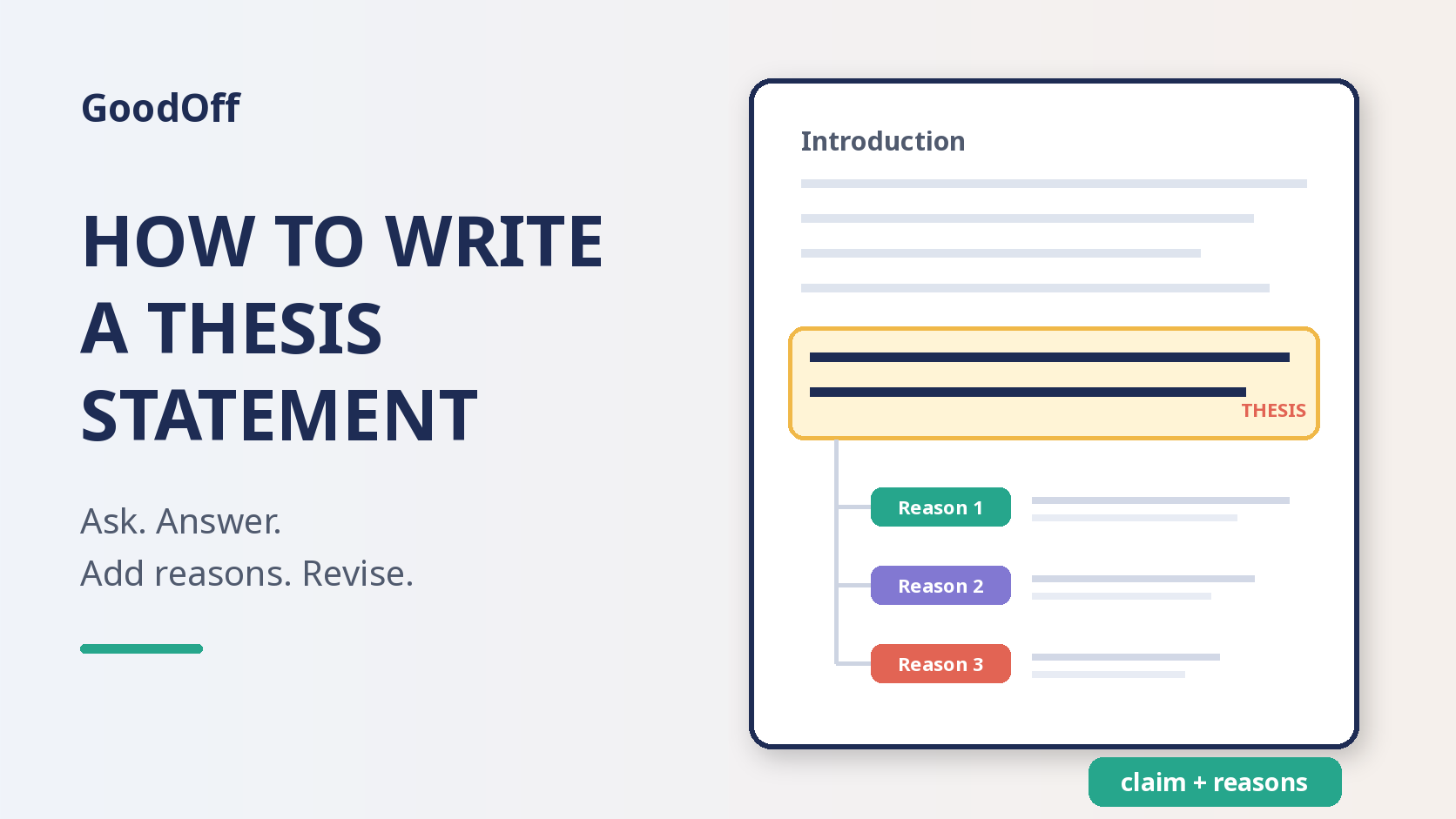

Recent articles
Learning Science
How to Write a Thesis Statement: 4 Steps, Formulas and Examples
How to write a thesis statement in 4 steps, with fill-in formulas for each essay type, weak-to-strong rewrites, where it goes, and a 6-question thesis test.
Ishrath.I2026-11-1310 min read
Learning Science
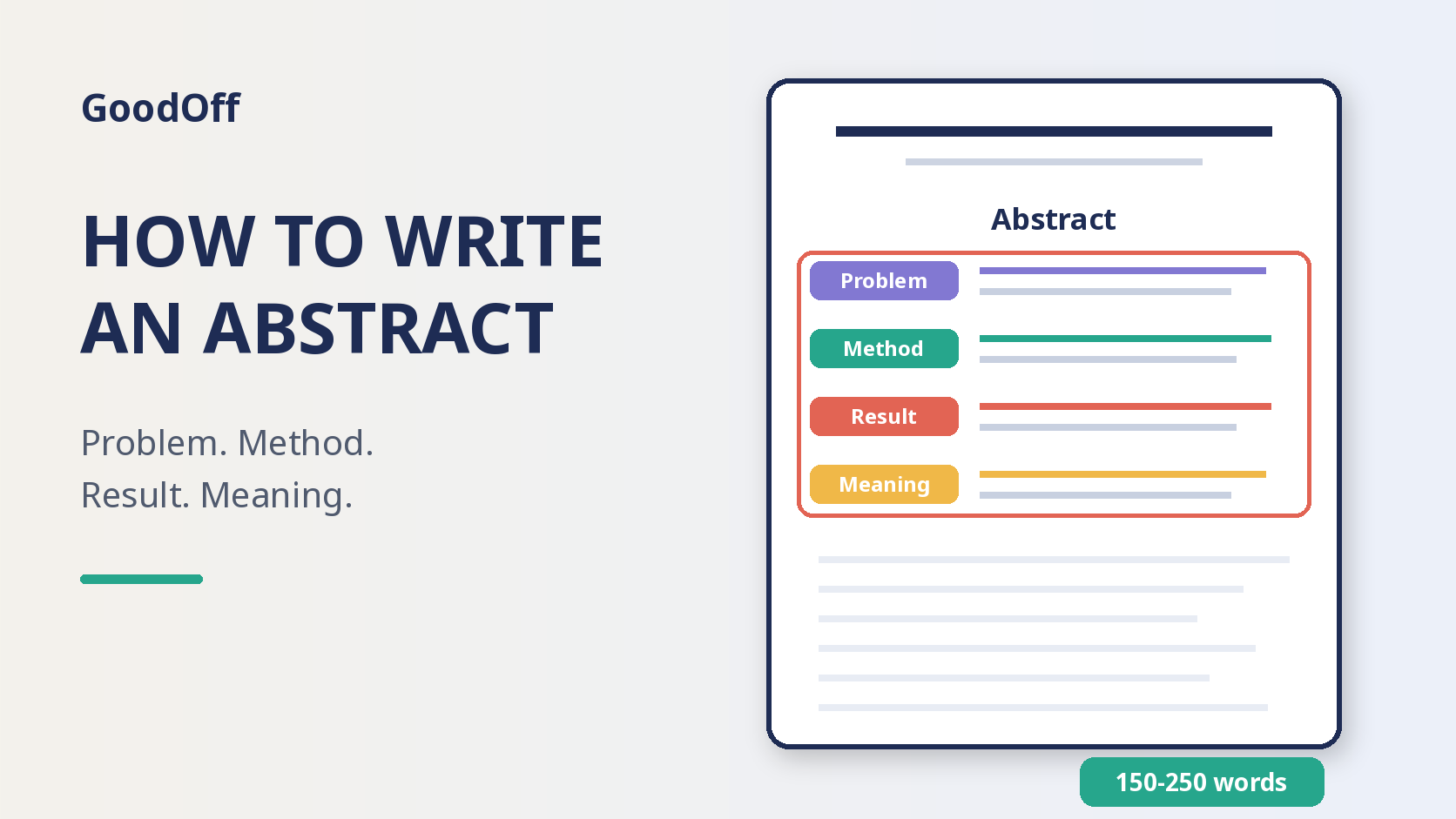
How to Write an Abstract: A 5-Sentence Formula (With Examples)
How to write an abstract in 150 to 250 words: a 5-sentence formula, science and humanities examples, a before-and-after rewrite, APA format, and a checklist.
Ishrath.I2026-11-1211 min read
Learning Science
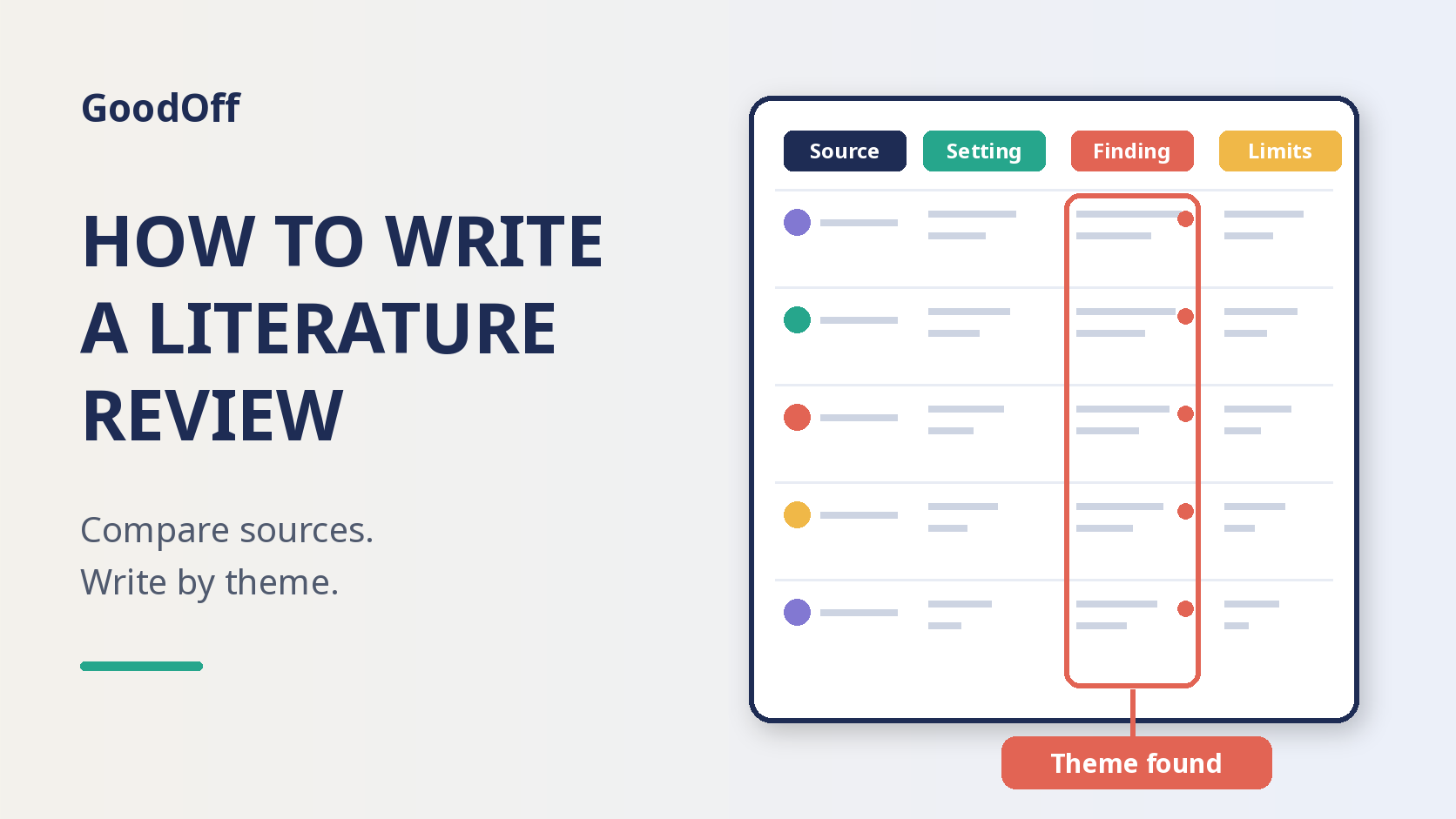
How to Write a Literature Review: Step-by-Step Guide (With a Synthesis Example)
How to write a literature review: narrow your question, search, build a synthesis matrix, organize by theme, and turn summary into synthesis, with examples.
Ishrath.I2026-11-1110 min read
Learning Science
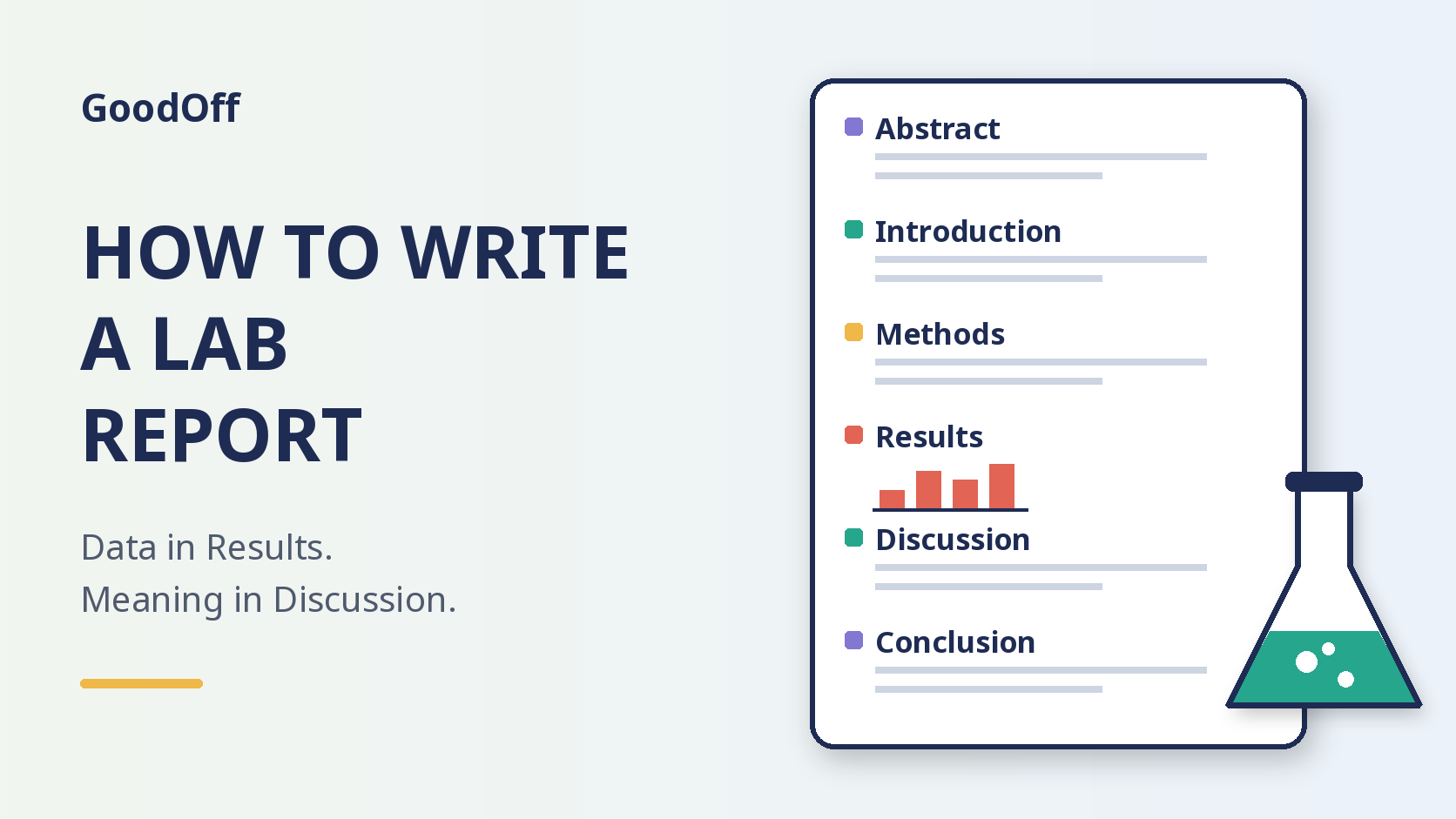
How to Write a Lab Report: Section-by-Section Guide (With an Example)
How to write a lab report: what goes in each section, the best order to write it, tense and figure rules, how to discuss error, and a worked pendulum example.
Ishrath.I2026-11-109 min read
Learning Science
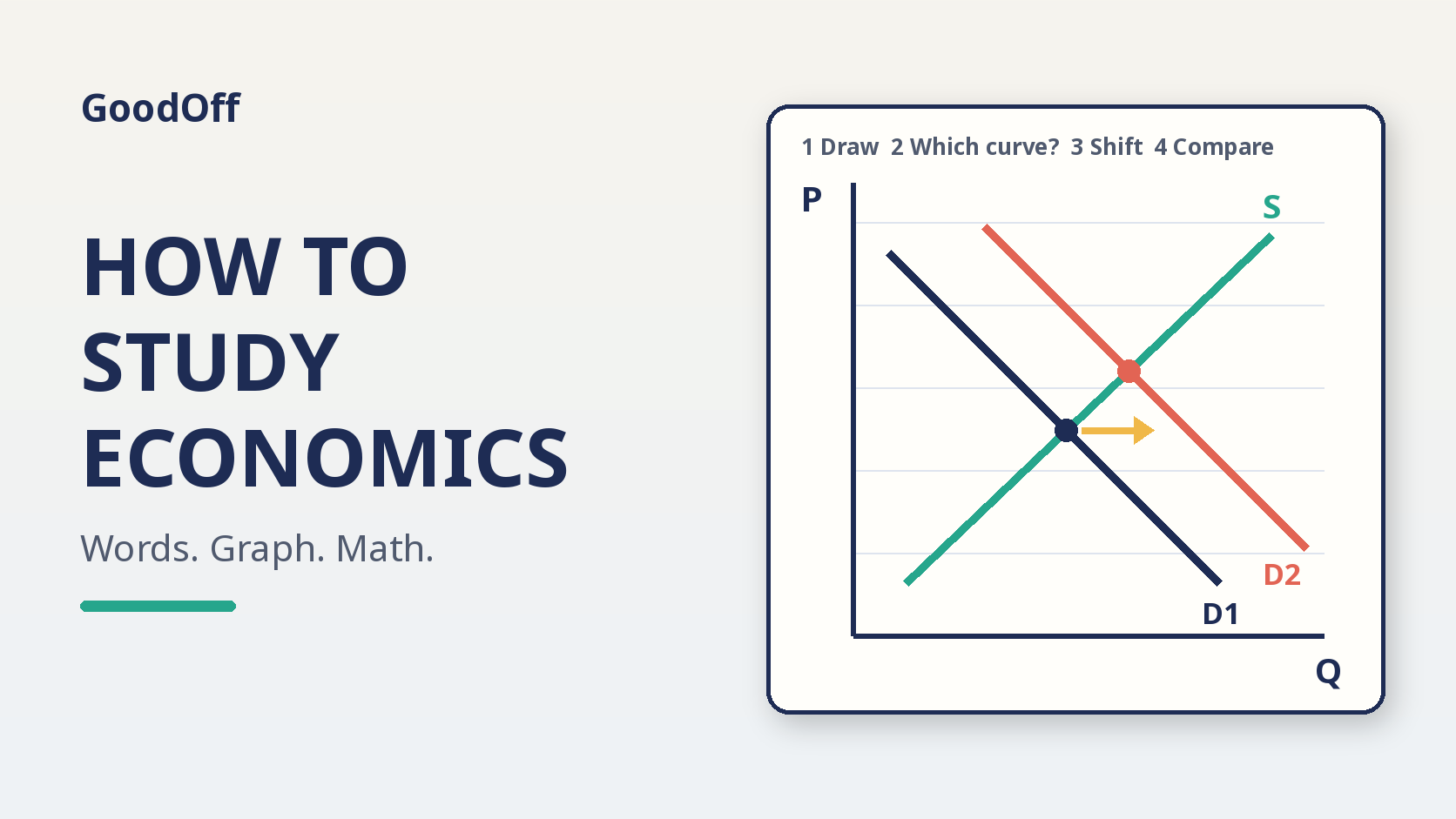
How to Study Economics: Learn Each Model 3 Ways (With a Worked Example)
How to study economics: learn each model in words, graphs and math, use a four-step shift method, keep a shifter list, and work through a two-shock example.
Ishrath.I2026-11-099 min read
Learning Science
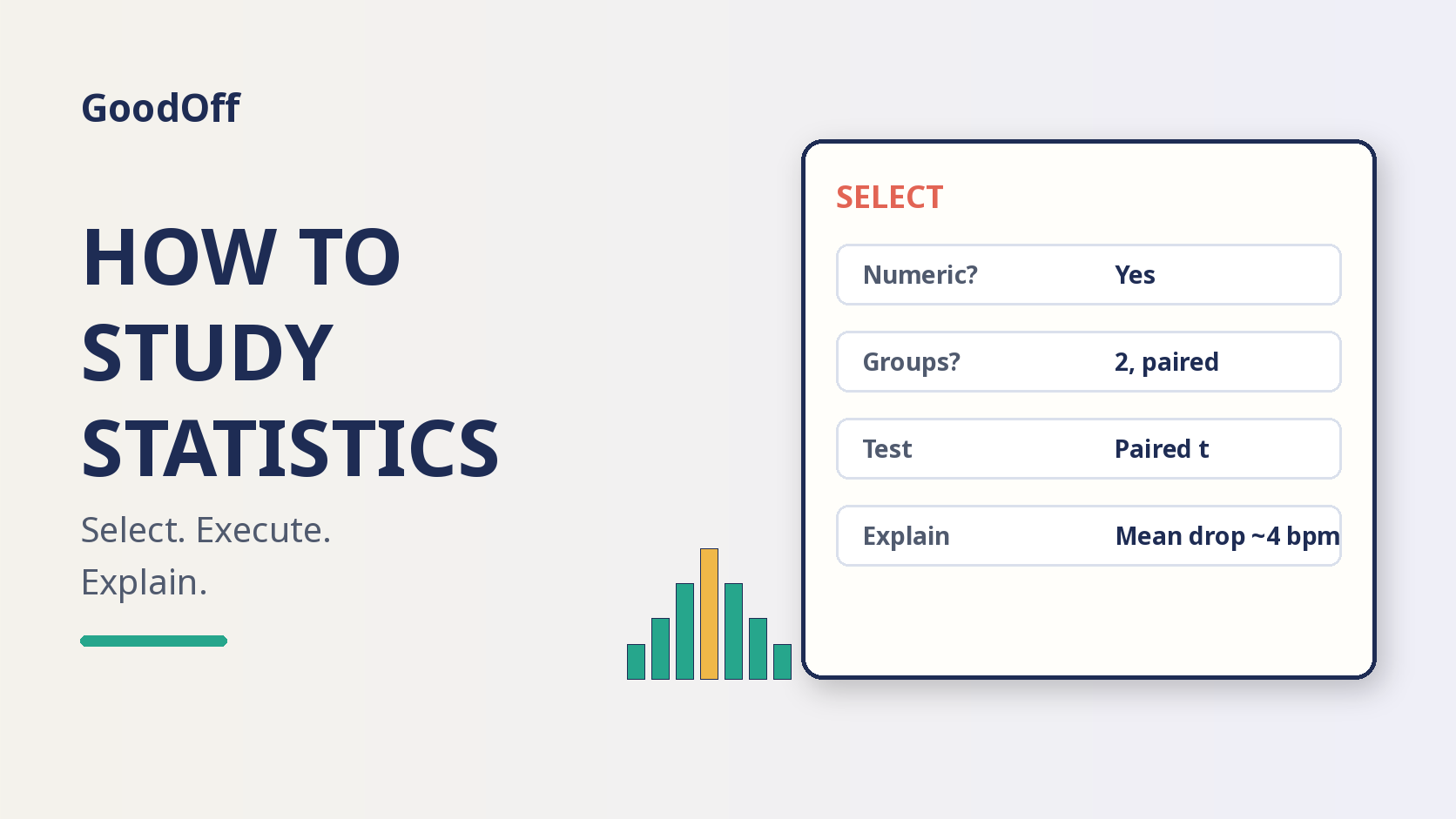
How to Study Statistics: Select, Execute, Explain (With a Worked Example)
How to study statistics: sort by question type, use Select-Execute-Explain, keep when-to-apply cards, mix practice, and a paired t-test worked example.
Ishrath.I2026-11-068 min read
Learning Science
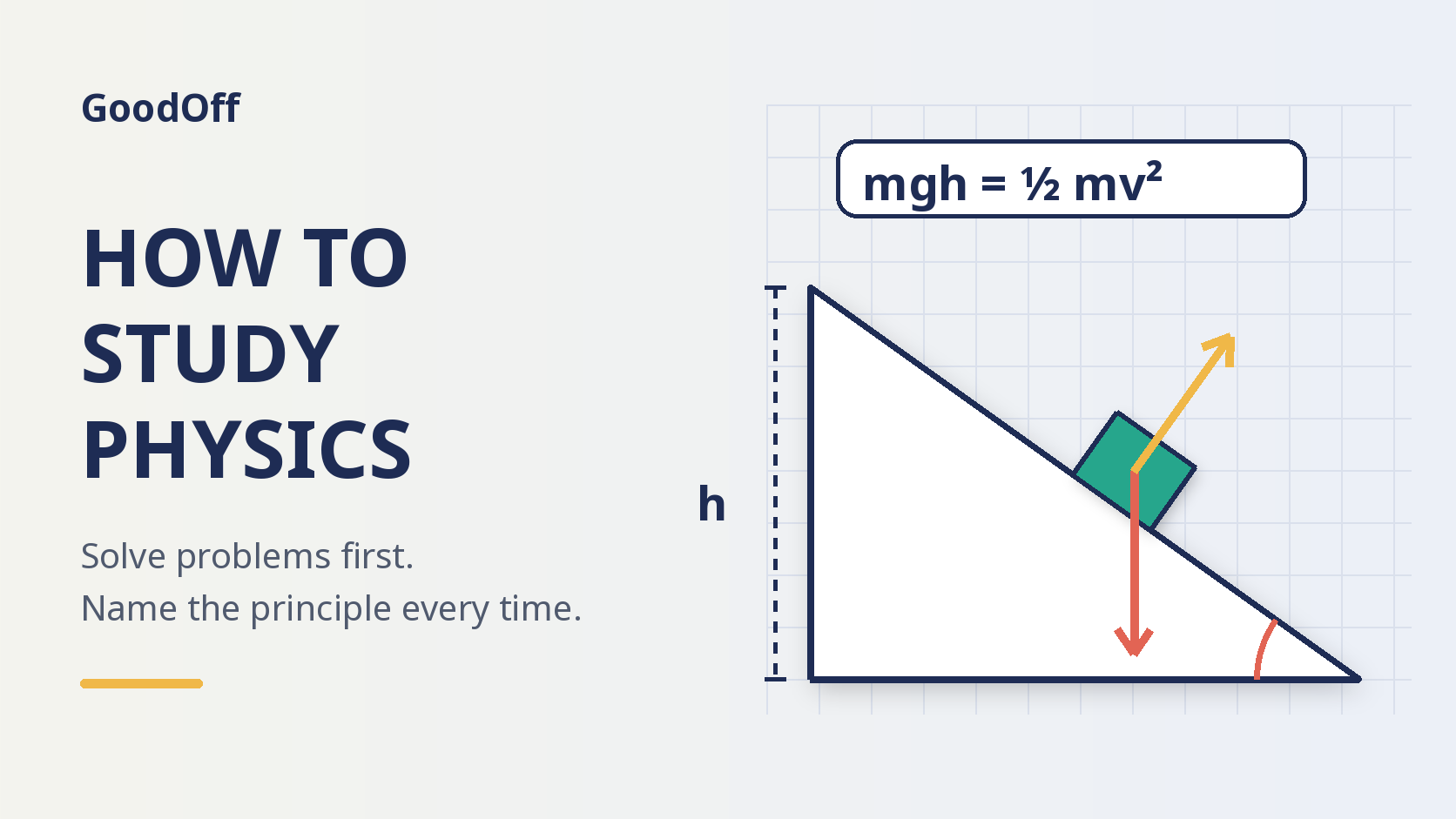
How to Study Physics: A Problem-First Method With a Worked Example
How to study physics: a problem-first method, a 5-step solving routine, mixed practice and formula cards that say when to use them, plus a worked example.
Ishrath.I2026-11-059 min read
Learning Science
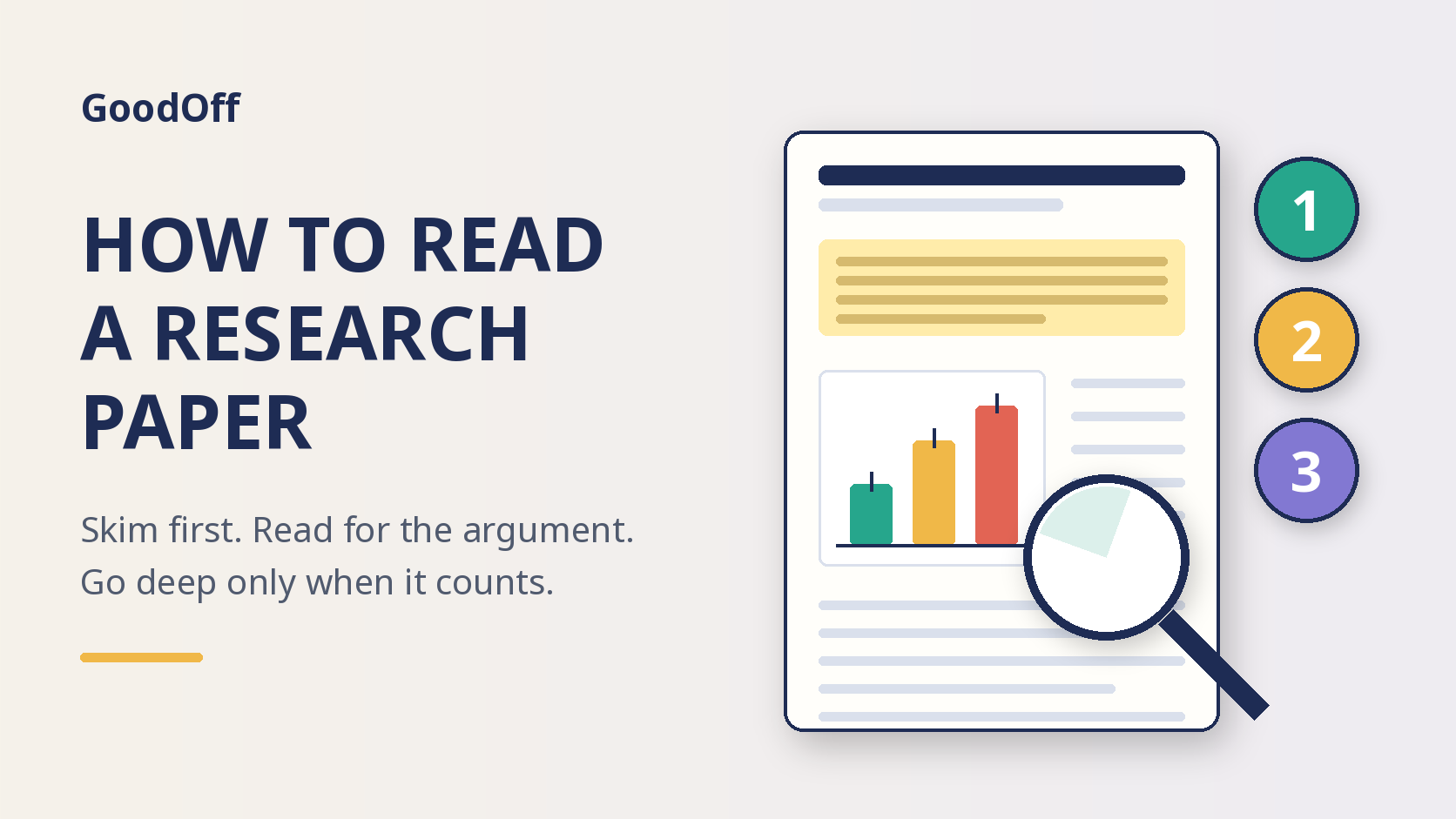
How to Read a Research Paper: A 3-Pass Method for Students (With a Note Template)
How to read a research paper: a 3-pass method, how to read figures, handle jargon and the methods section, and a one-page note template to help you remember it.
Ishrath.I2026-11-0410 min read
Learning Science
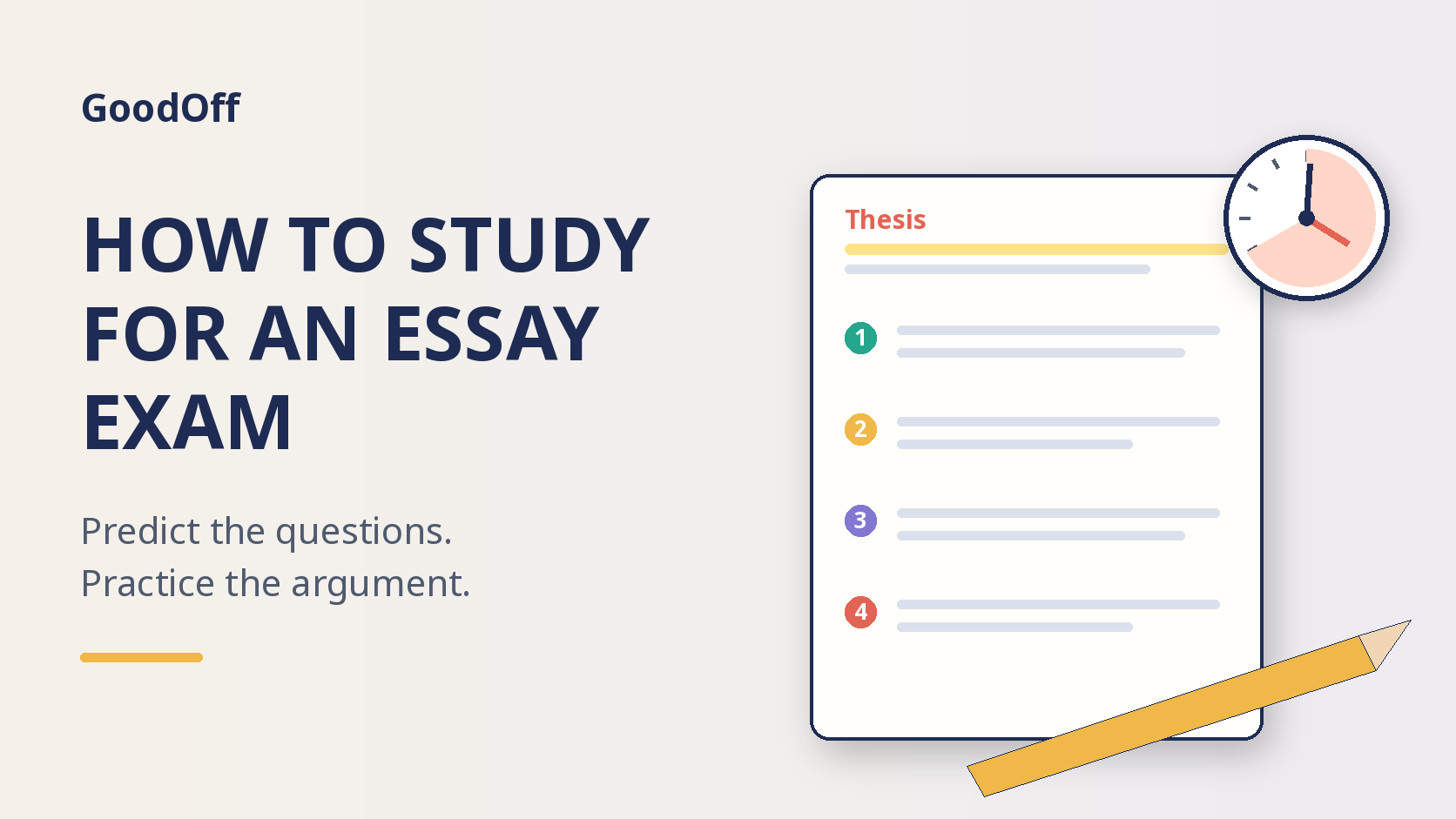
How to Study for an Essay Exam: 6 Steps to Write a Clear Answer Under Time
How to study for an essay exam: organize notes by theme, predict questions, write a thesis for each, practice from memory under a timer, and plan your time.
Ishrath.I2026-11-039 min read
Learning Science
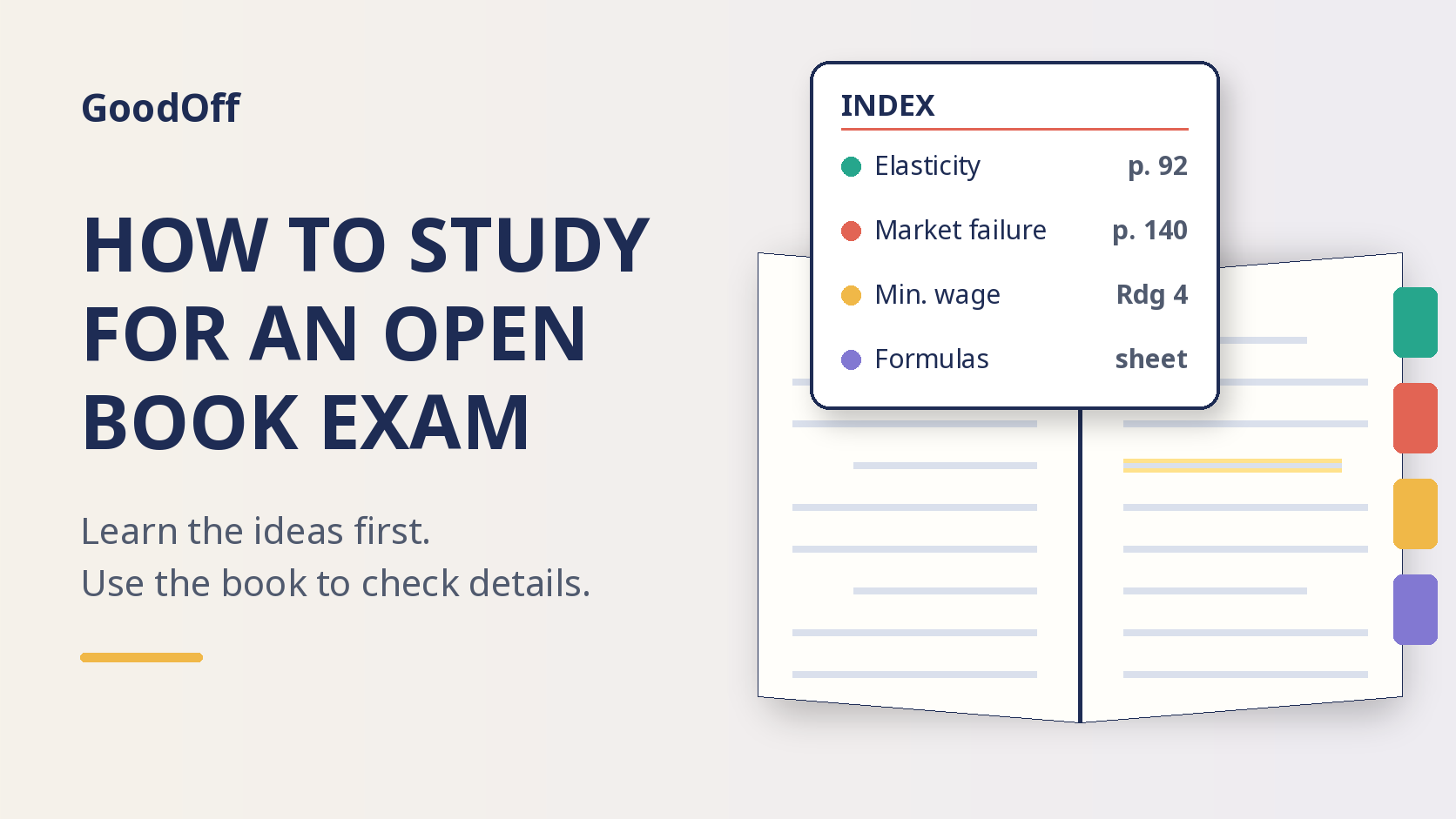
How to Study for an Open Book Exam: 6 Steps to Stop Searching Mid-Exam
How to study for an open book exam: learn core ideas first, cut and tab your notes, build a page-number index, and practice timed with only your reference set.
Ishrath.I2026-11-029 min read
Learning Science
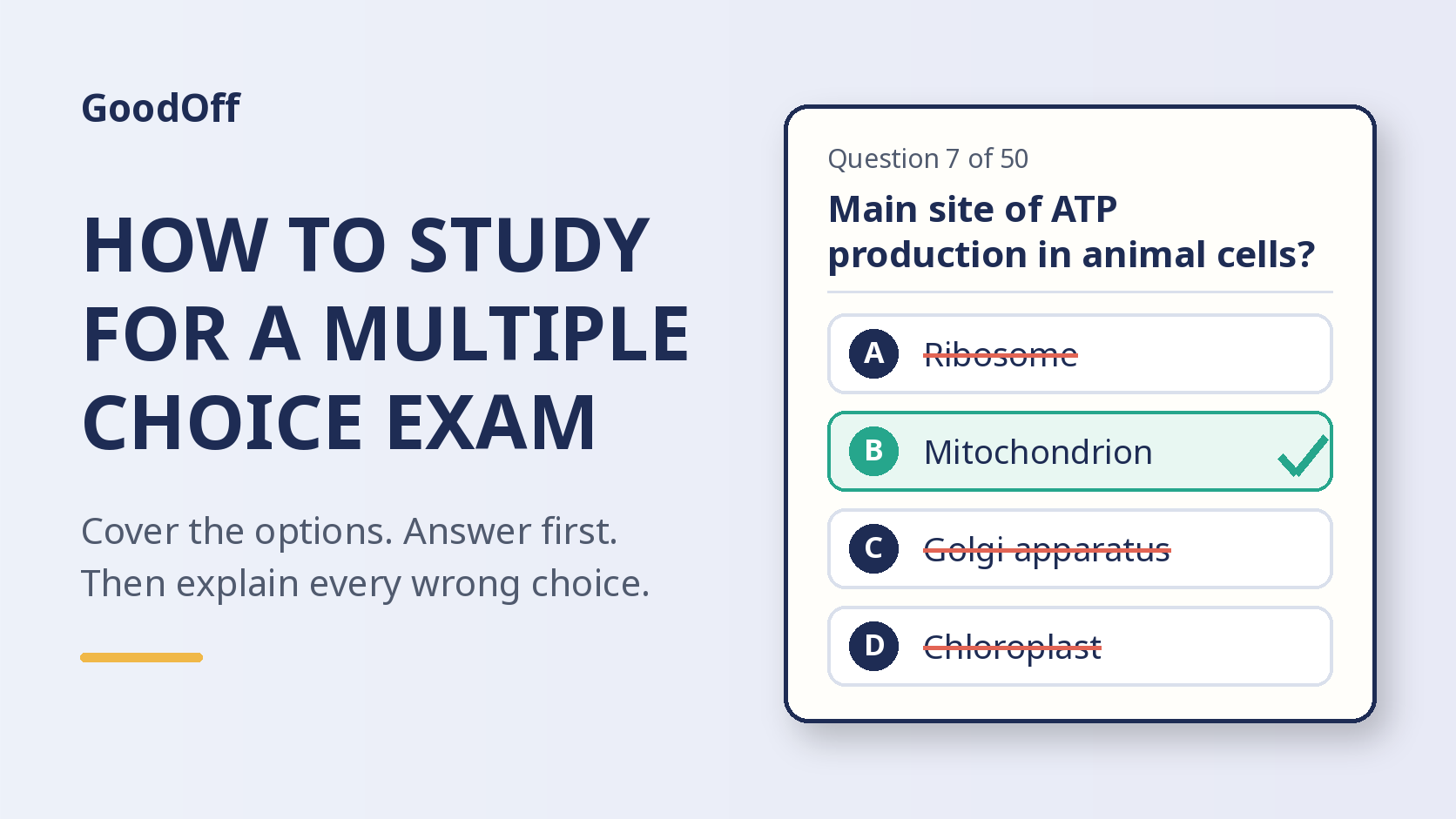
How to Study for a Multiple Choice Exam: 5 Steps That Train You for Distractors
How to study for a multiple choice exam: practice with options covered, explain every wrong choice, learn look-alikes, log mistakes and when to change answers.
Ishrath.I2026-10-309 min read
Learning Science
How to Study for a History Exam: A 6-Step Plan (With a 5-Day Schedule)
How to study for a history exam: build a timeline, learn cause and effect, quiz yourself on facts, practice sources and plan essay arguments over 5 days.
Ishrath.I2026-10-298 min read