Getting your next page ready…
Learning library
Learning Science insights.
Explore practical articles about learning science.
Latest notes

Recent articles
Learning Science
SQ3R Method: The 5-Step Reading Strategy That Helps You Remember
Learn the SQ3R method step by step: survey, question, read, recite, review. See a worked example, what research says, and a faster version for busy weeks.
Ishrath.I2026-10-297 min read
Learning Science
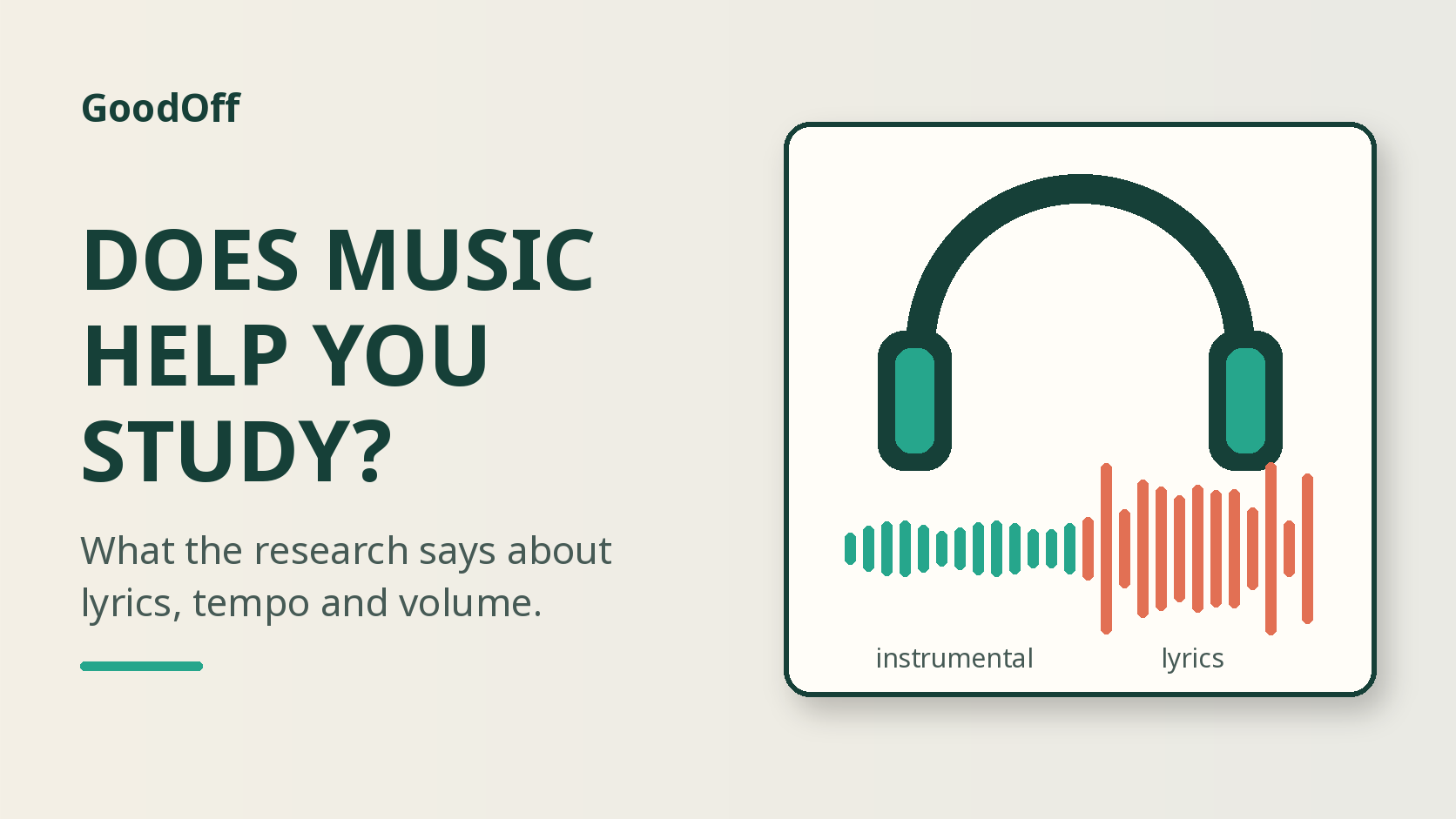
Does Music Help You Study? What the Research Actually Says
Does music help you study? Research says it depends on the task. Learn when lyrics, tempo and volume hurt focus, when music helps, and how to test it yourself.
Ishrath.I2026-10-297 min read
Learning Science
How to Study for a Biology Exam: A 6-Step Plan (With a 5-Day Schedule)
How to study for a biology exam: learn terms with flashcards, draw processes from memory, label blank diagrams, and practice in the exam's format over 5 days.
Ishrath.I2026-10-298 min read
Learning Science
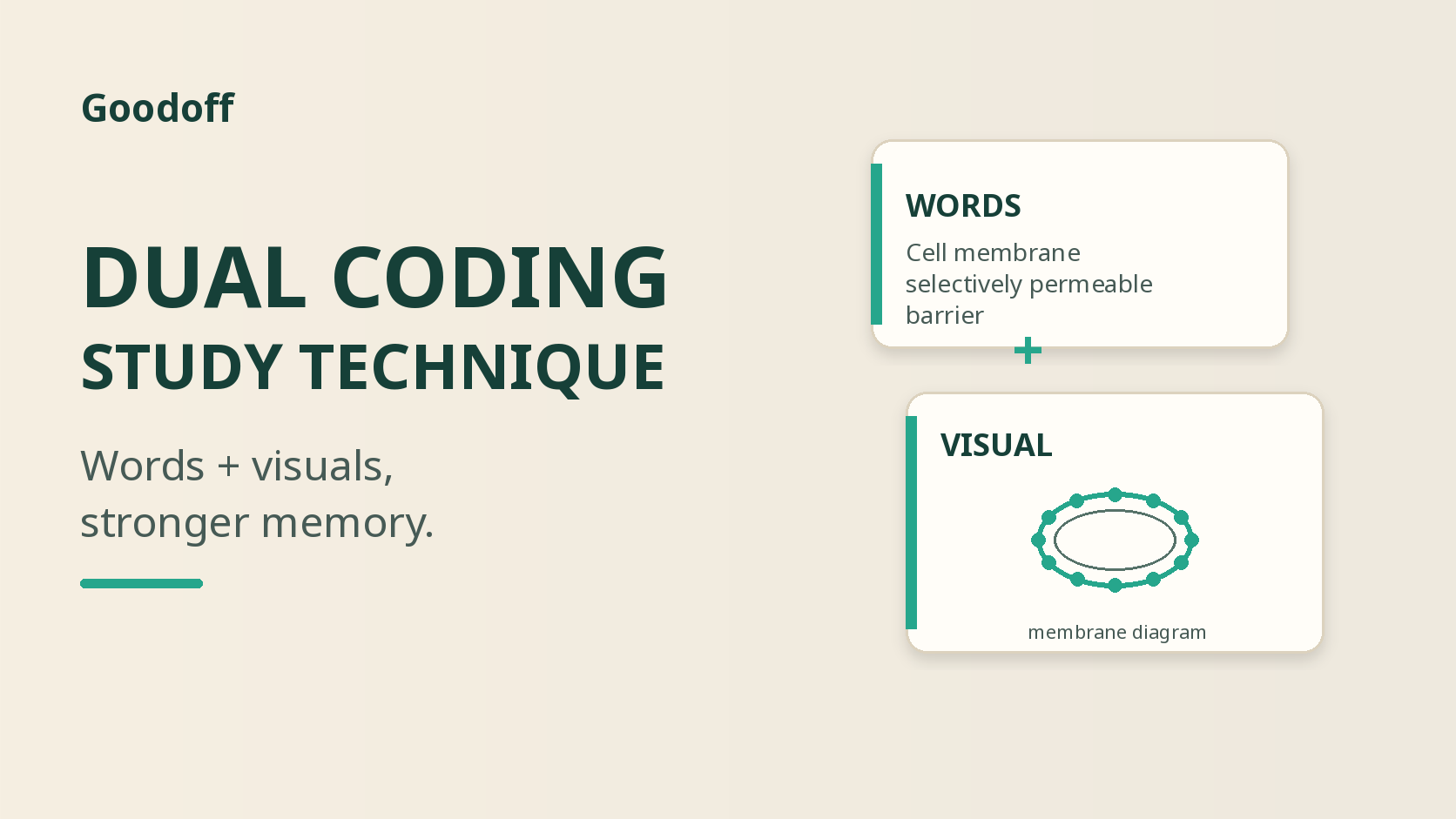
Dual Coding Study Technique: How Words and Visuals Help You Remember More
Dual coding pairs words with visuals so you remember more. Learn what it is, why it works, step-by-step how-to, subject examples, and common mistakes.
Ishrath.I2026-10-167 min read
Learning Science
Elaborative Interrogation: The “Why?” Study Technique That Makes Facts Stick
Elaborative interrogation means asking why each fact is true and answering in your own words. See the steps, examples, mistakes, and how to pair it with review.
Ishrath.I2026-10-157 min read
Learning Science
Blurting Method: What It Is, How to Do It, and Does It Work
What is the blurting method? A plain guide to how to blurt step by step, whether blurting works according to retrieval practice research, and a 25-minute plan.
Ishrath.I2026-10-138 min read
Learning Science
Why Does Deep Focus Make Me Tired? What Research Says and 5 Ways to Reset
Why deep focus makes you tired: what mental fatigue research shows, how to tell it from sleep problems, and 5 ways to reset during a long study session.
Ishrath.I2026-10-127 min read
Learning Science
Medical Intern Study Tips: How to Keep Learning on the Wards
Medical intern study tips that fit real shifts: a patient-based learning loop, what ACGME hour limits mean for study, flashcards in gaps, and protecting sleep.
Ishrath.I2026-10-076 min read
Learning Science
What Is FSRS? Spaced Repetition for Students
What is FSRS? A student guide to the spaced repetition algorithm that schedules reviews before you forget.
Ishrath.I2026-09-199 min read
Learning Science
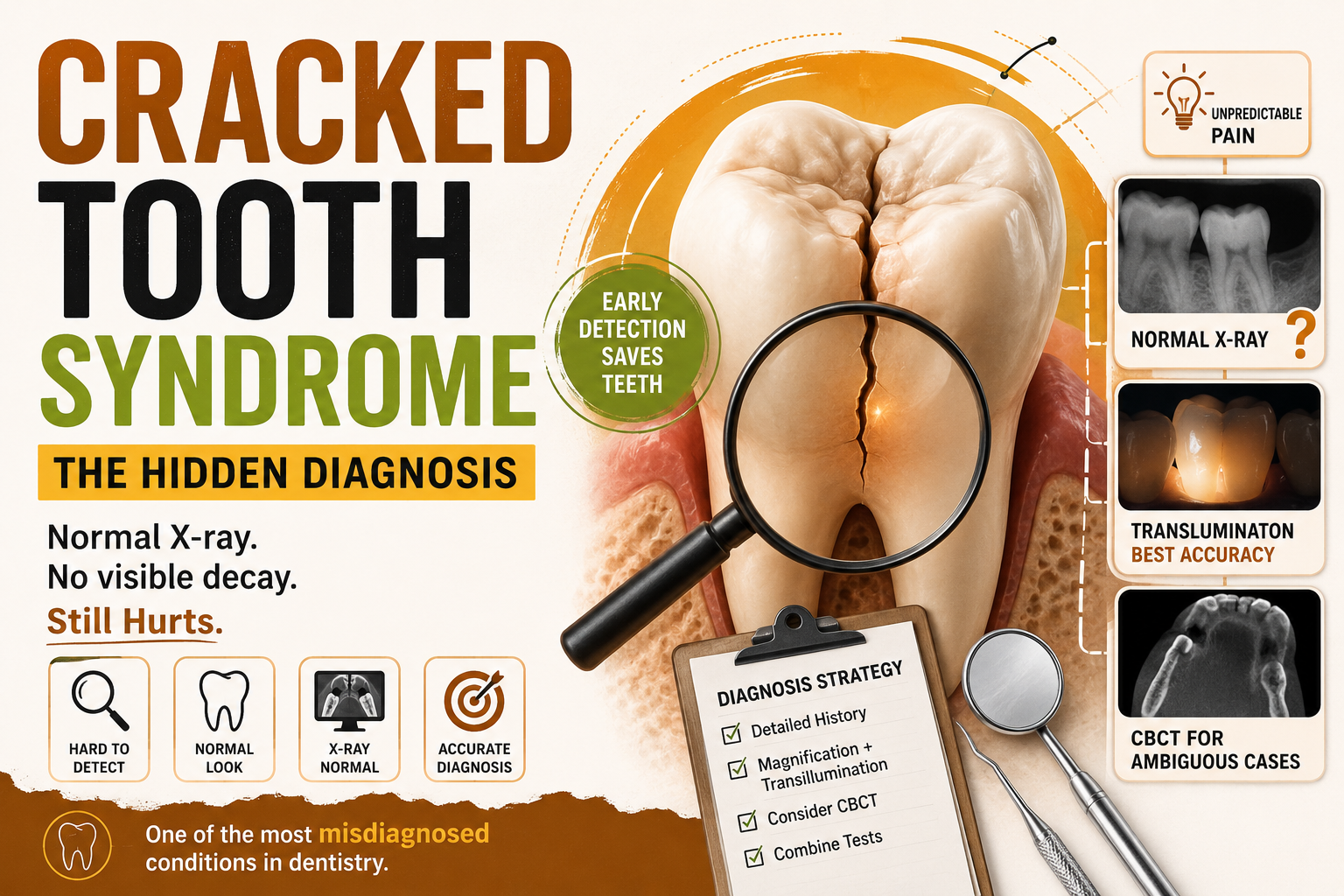
Cracked Tooth Syndrome: Signs, Tests and a Diagnosis Checklist
Cracked tooth syndrome for dental students: symptoms, the differential, how accurate transillumination and magnification are, and a diagnosis checklist.
Ishrath.I2026-08-297 min read
Learning Science
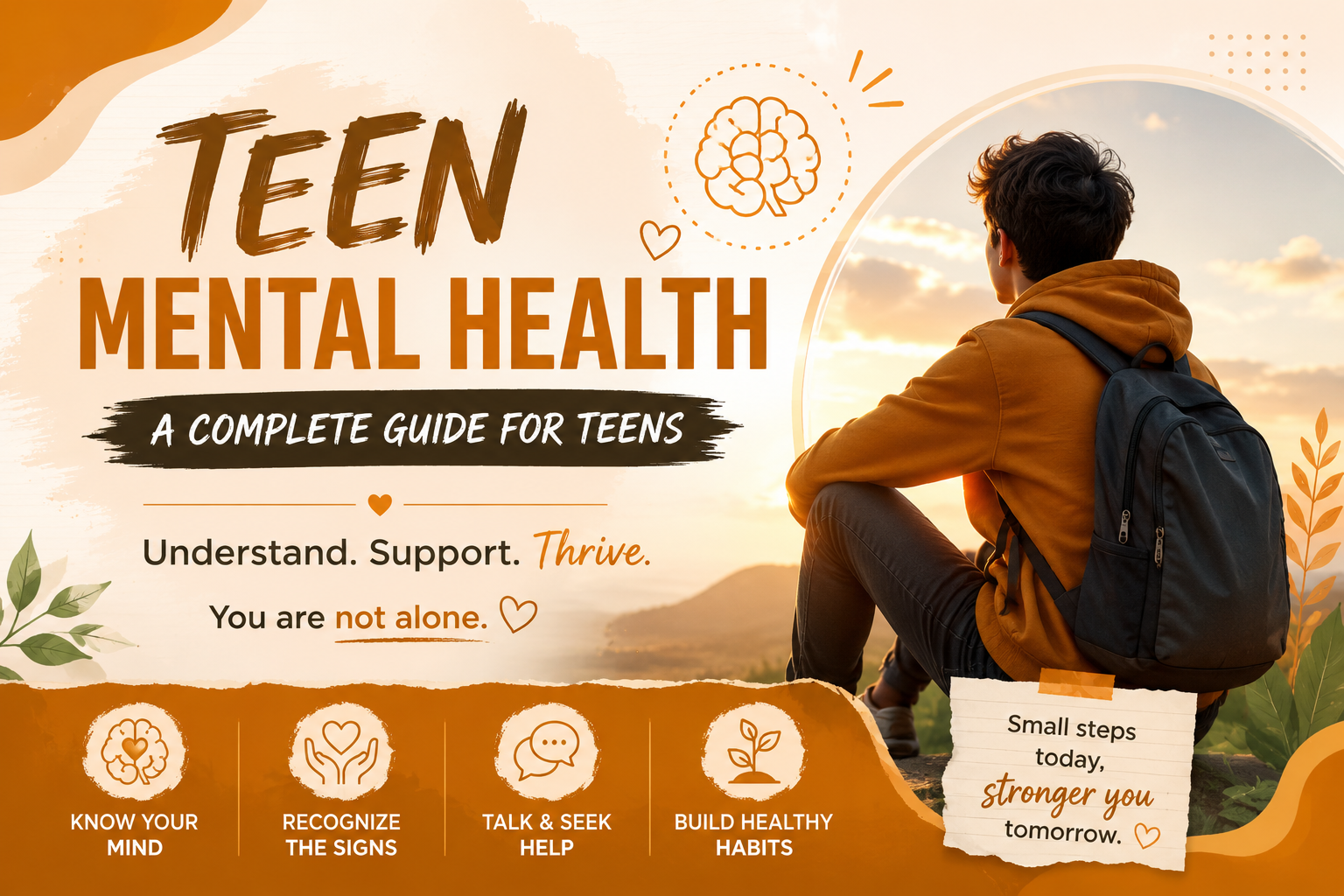
Mental Health Information for Teens: Complete Guide
A fact-checked guide to teen mental health, backed by WHO, NIMH & CDC data. Learn warning signs, real coping strategies, and where to get help.
Ishrath.I2026-08-265 min read
Learning Science
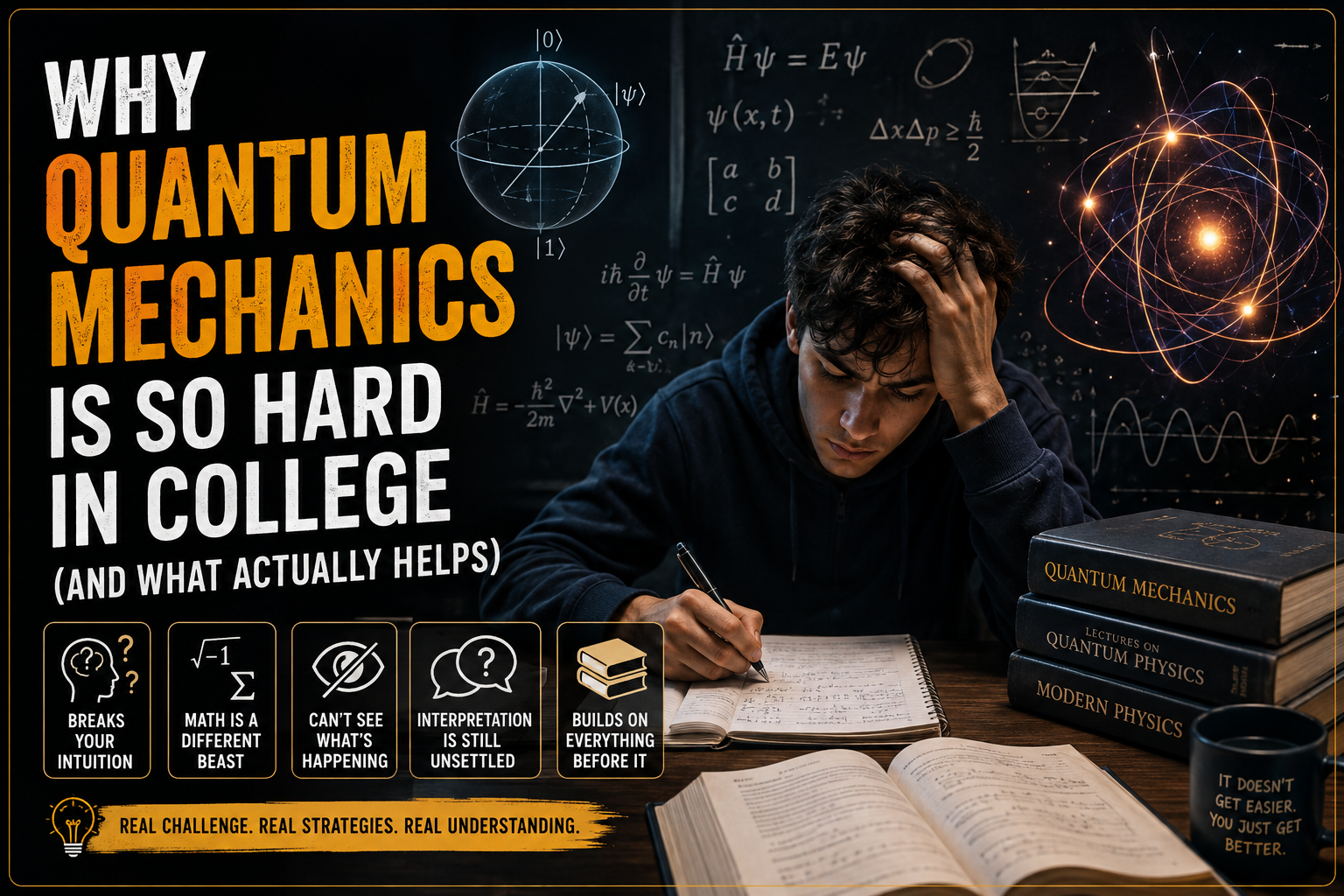
Why Is Quantum Mechanics So Hard? 5 Reasons and a Study Plan That Helps
Why quantum mechanics is so hard in college: 5 reasons, the misconceptions research keeps finding, the math to review first, and a weekly study plan that helps.
Ishrath.I2026-08-267 min read