Learning library
Education insights.
Explore practical articles about education.
Latest notes


Recent articles
Education
AI in Education 2027: 5 Trends and What They Mean for Students
AI in education 2027: what the EDUCAUSE Top 10 says, guided AI tutors, AI literacy, new kinds of assessment, privacy, and one habit students can build for each.
Ishrath.I2026-10-267 min read
Education
How Med Students Should Study: Mastery Over Fear
A 2026 study says mastery beats fear of failure. Swap headlines and TikTok clips for retrieval and spaced review built from your own lecture notes.
Ishrath.I2026-09-015 min read
Education
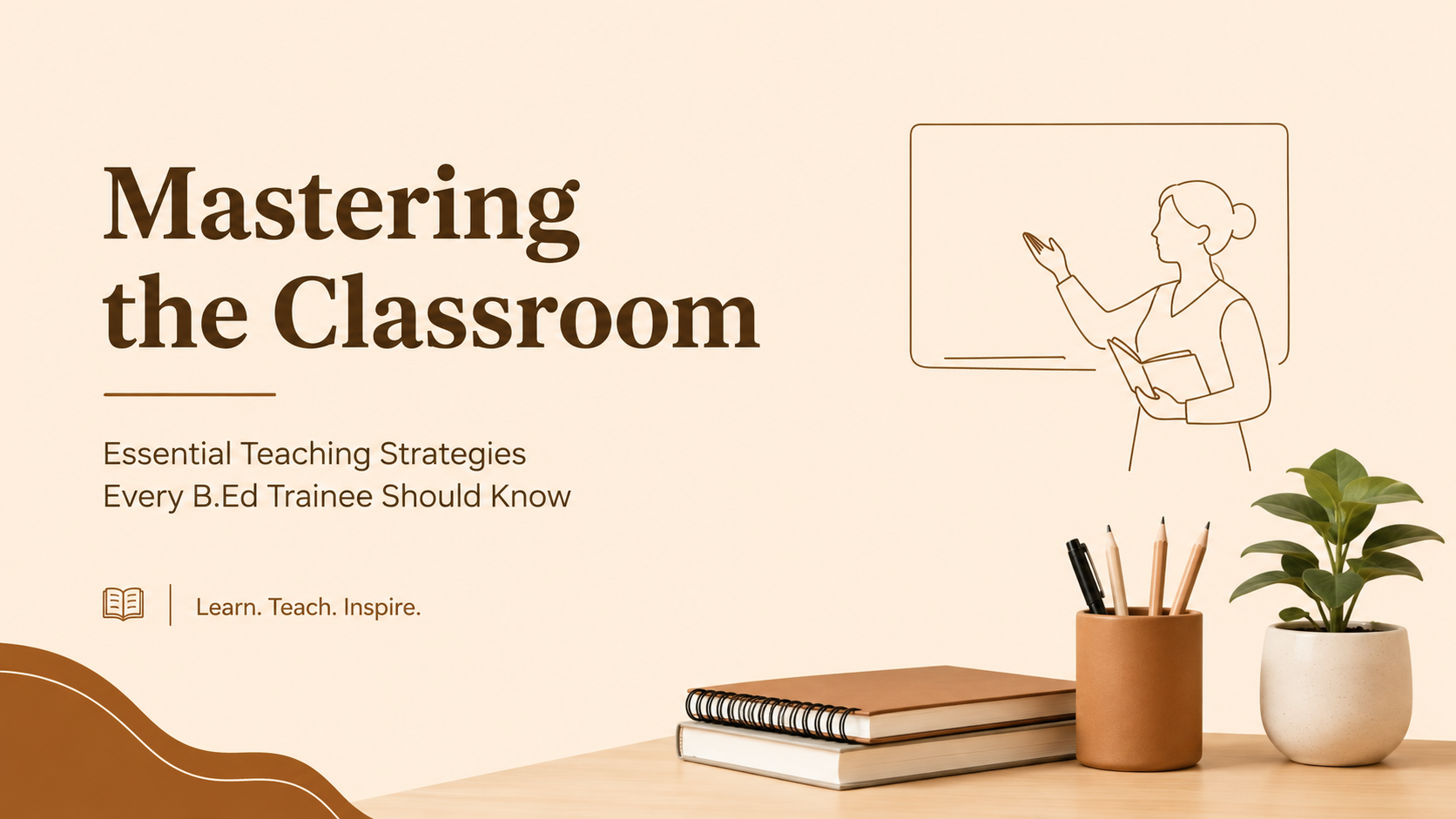
Teaching Strategies for B.Ed Trainees: 10 Research-Based Habits
Teaching strategies for B.Ed trainees: Rosenshine's 10 principles, a 40-minute lesson plan, classroom routines, question stems, exit tickets and reflection.
Ishrath.I2026-09-018 min read
Education
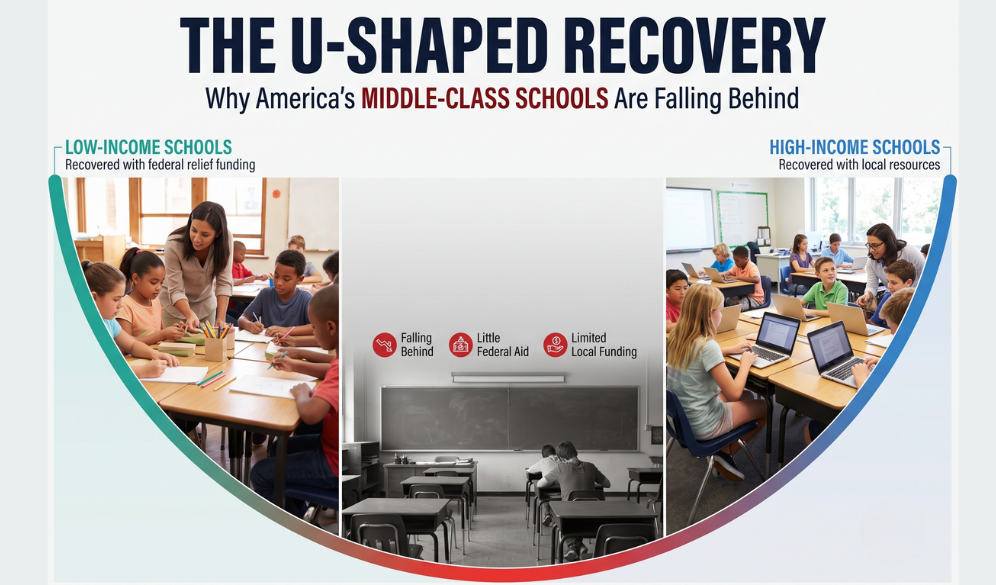
The U-Shaped Recovery: Why Middle-Income Schools Are Falling Behind (2026 Data)
The U-shaped recovery explained: what the 2026 Education Scorecard found on middle-income districts, why relief missed them, and what students can do about it.
Ishrath.I2026-08-255 min read
Education
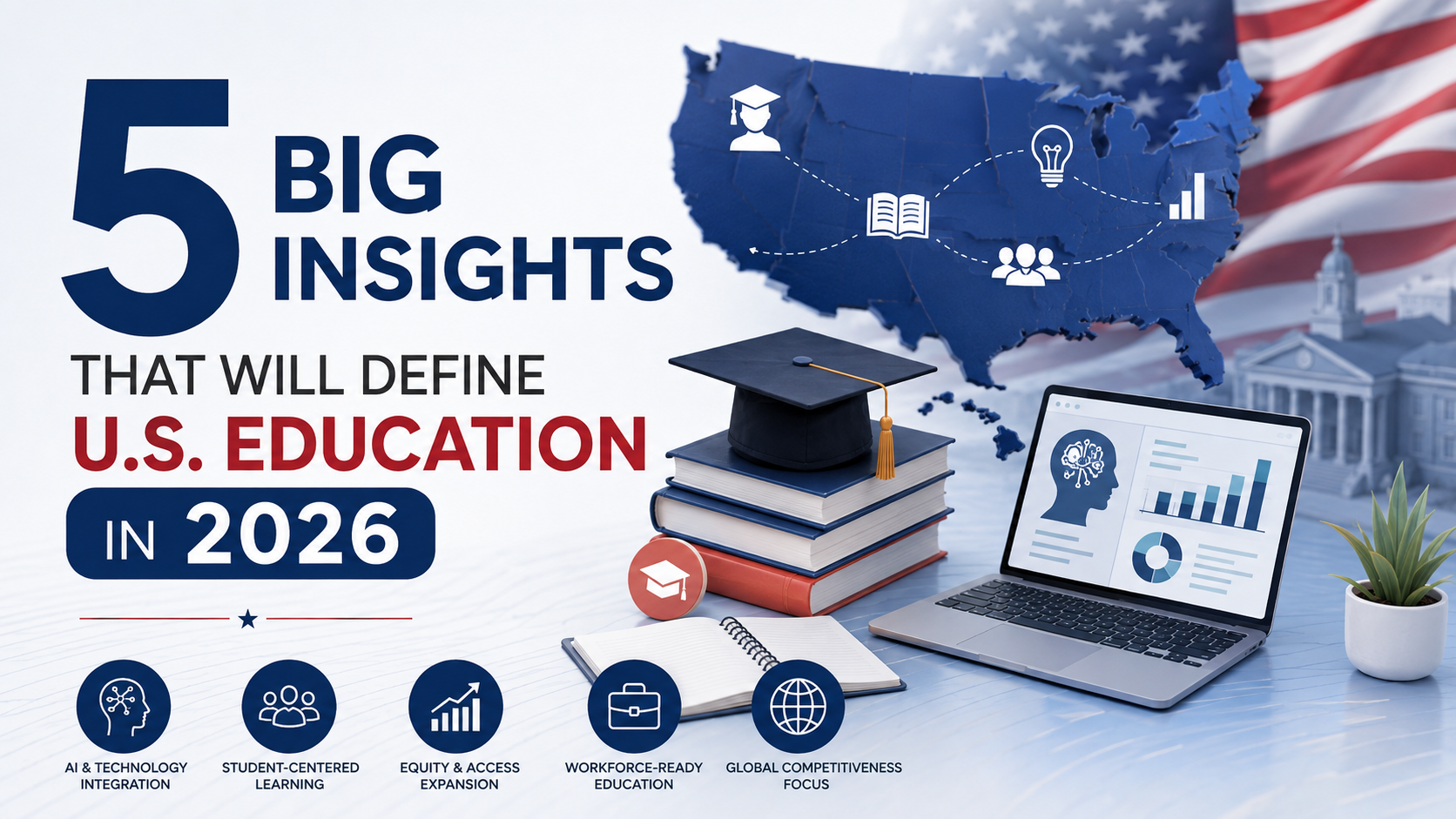
U.S. Education in 2026: 5 Trends Shaping Schools and Colleges
U.S. education in 2026: NAEP reading results, the end of ESSER funds, the high school graduate peak, AI in schools, and Workforce Pell, plus what each means.
Ishrath.I2026-08-247 min read
Education
AI for Medical Students: How to Use It Without Losing Clinical Reasoning
How medical students can use AI to study: good and risky uses, deskilling and never-skilling, a commit-then-critique workflow, and patient privacy rules.
Ishrath.I2026-08-216 min read
Education
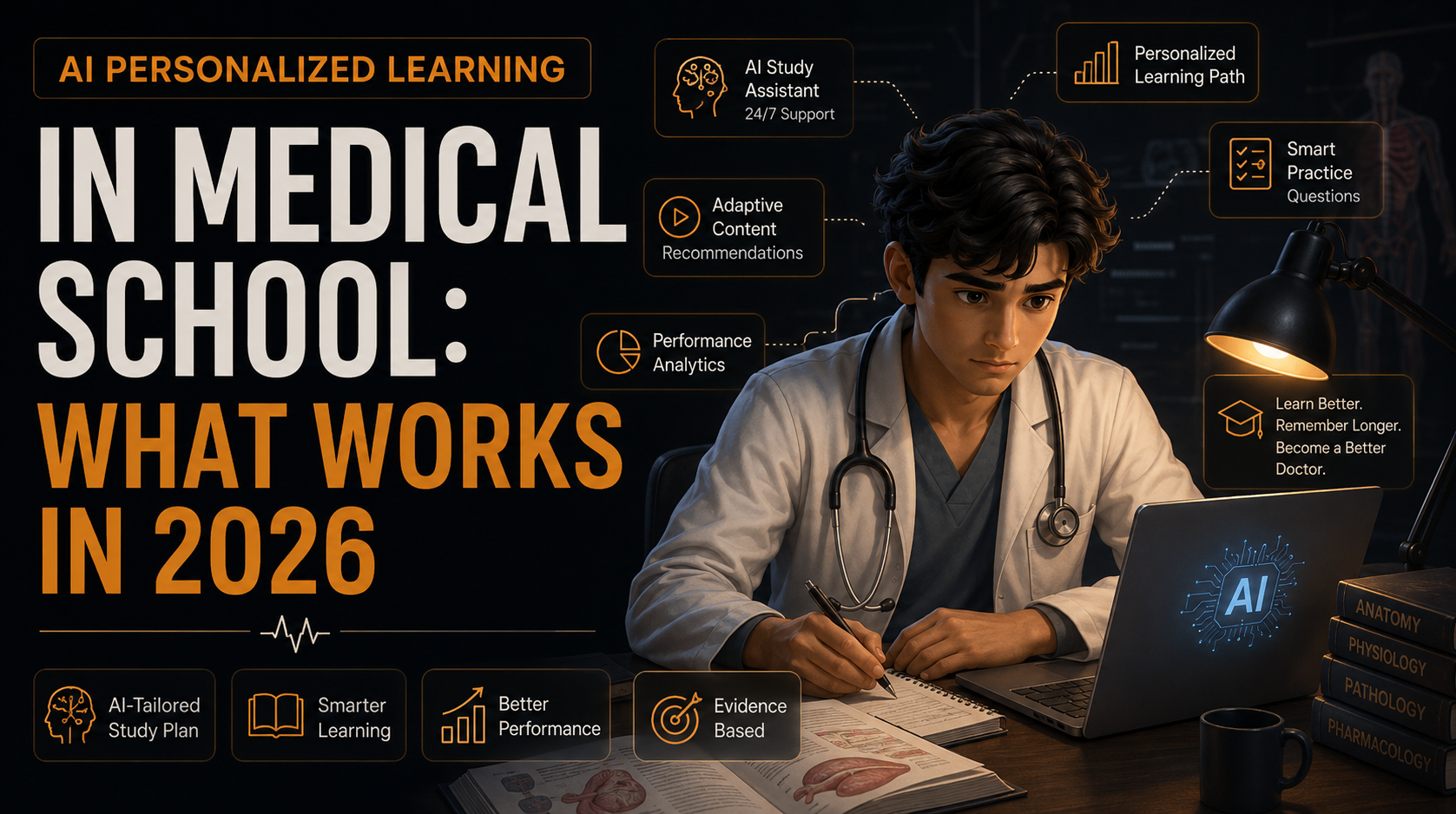
Personalized Learning in the Age of AI: Promise vs. Reality in 2026
AI promised to personalize education for every student. In 2026, how much of that promise has actually been delivered? A clear-eyed look at the gap between hype
Ishrath.I2026-08-205 min read
Education
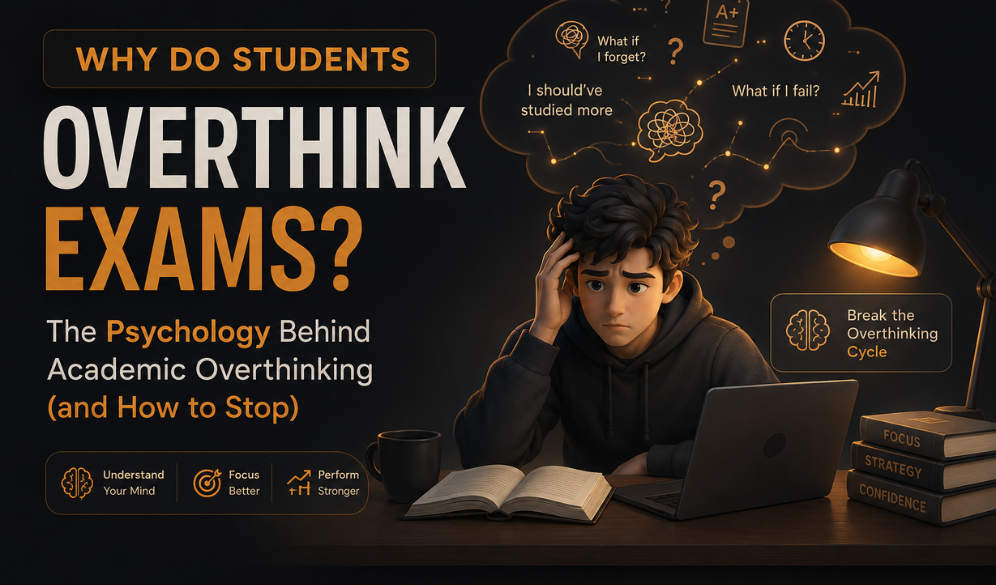
Why Senior Students Overthink Exams
Learn why senior students overthink exams, grades, and big decisions, and discover science-backed strategies to break the cycle and study with a clearer mind.
Ishrath.I2026-08-195 min read
Education
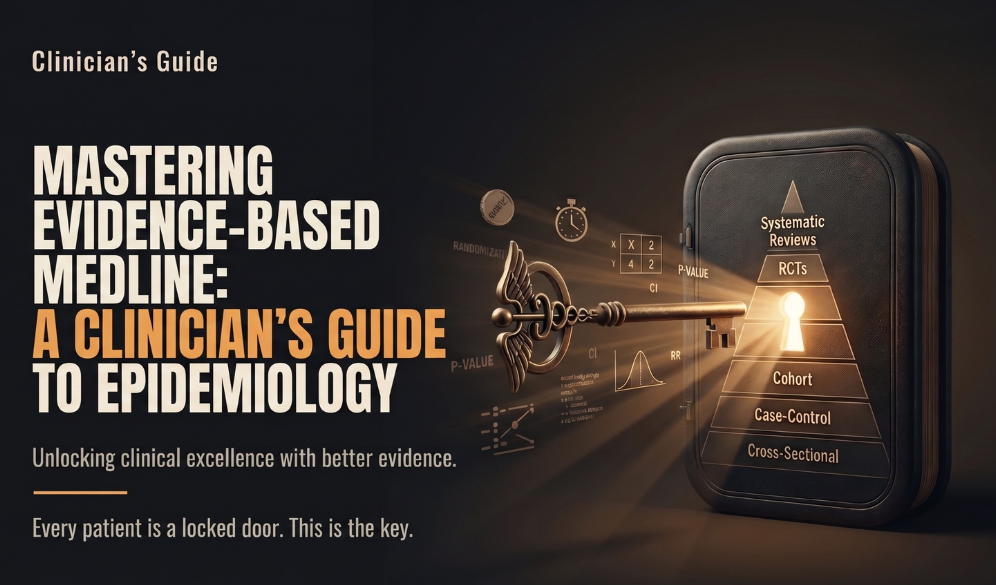
Epidemiology in Clinical Practice: 7 Core Concepts With Worked Examples
Epidemiology in clinical practice for students: incidence, risk, study designs, RR, ARR and NNT, bias and confounding, and PPV worked through in a 2x2 table.
Ishrath.I2026-08-148 min read
Education
IB Math AA vs AI: Which Course to Pick and How to Get a 7
IB Math AA vs AI explained: course differences, SL vs HL paper weightings, how the IA is marked out of 20, and 4 habits plus an 8-week plan to get a 7.
Ishrath.I2026-08-075 min read
Education
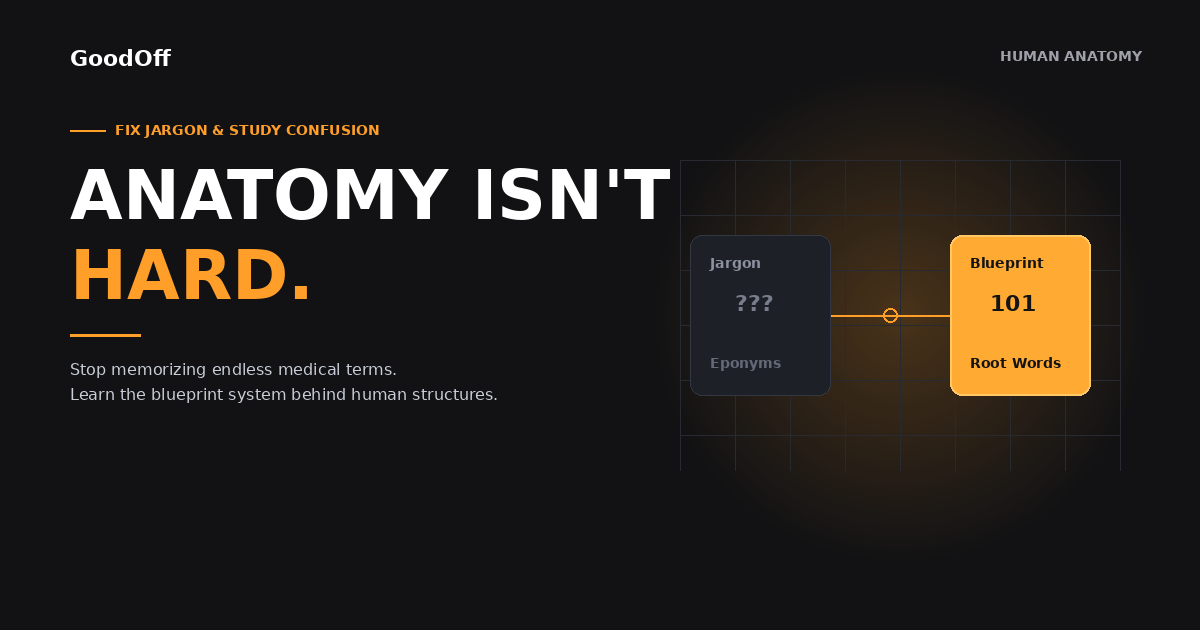
Human Anatomy Basics for Beginners: Terms, Planes, Cavities and Roots
Human anatomy basics for beginners: levels of organization, anatomical position, directional terms, body planes, cavities, word roots, and how to study them.
Ishrath.I2026-08-056 min read
Education
Feynman Technique: Learn Anything by Explaining It Simply
The Feynman Technique: explain a concept in plain words from memory, find the gaps, fix them, and repeat. Includes a 15-minute template and worked example.
Ishrath.I2026-07-314 min read