Short answer: Talk to Me Like I'm Someone You Love: Flash Cards for Real Life is a 64-card deck by psychotherapist Nancy Dreyfus, Psy.D., published by TarcherPerigee in 2013. Each card holds a short statement you can read aloud or hold up when a conversation starts going wrong, with "field notes" on the back explaining when, why and how to use it. The cards only help if the words come to mind under stress, so this guide also shows how to practice the phrases until they do.
If you landed here after a rough argument, take a breath first. You're not the only one who has gone blank or said the wrong thing at the worst moment. Below is what the cards are, where they came from, and a simple way to rehearse the language you want to reach for.
What the Cards Are
The deck is based on Dreyfus's book of the same name. According to the publisher, the cards feature 64 written statements that express what we wish we could say to someone we love, but can't find the right words or the right tone for in the moment.
The publisher's own examples show the style. They're short, plain and non-attacking:
- "Right now, I don't need a lecture. I need your love."
- "I'm afraid to be real with you."
- "When you treat me this way, it feels like you don't respect me. Is that true?"
- "We need a new perspective. Let's take a break and each get clearer about what really matters here. Okay?"
Notice what they have in common. None of them wins an argument. Each one names a feeling or asks for a pause, which gives the other person a way to respond without defending themselves.
Where the Idea Came From
Dreyfus has described the practice starting in a tense couples therapy session. A wife's constant criticism was making her husband withdraw. Dreyfus scribbled "Talk to me like I'm someone you love" on a scrap of paper and gestured for the husband to hold it up. According to the book's description, the power dynamic between them shifted within seconds and a gentler, more genuine connection emerged. She later turned that moment into a tool for others.
The original book collects more than 100 of these statements, and the 2013 revised edition added over 25 new ones, including sections on making love and deepening trust. The card deck is a smaller, portable version.
Cards, Book or PDF: What to Look For
| Format | What you get | Good for |
|---|---|---|
| Card deck (64 cards) | Statements with the author's field notes on the back | Keeping a few cards where you can reach them |
| Book (revised edition, 2013) | More statements, plus stories from the author's practice | Understanding why each phrase works |
| Free PDFs found online | Often partial or scanned copies of unknown origin | Not recommended, since the work belongs to the author |
Availability changes by retailer, and some listings show specific editions as out of stock, so check the publisher or a bookseller for current copies. The cards and book are Dreyfus's work, and buying a legitimate copy supports the person who wrote them.
Why Reading the Cards Once Isn't Enough
Here's the part many people miss. Knowing a phrase and being able to say it while you're upset are different skills. In the middle of a fight, you tend to say whatever you've practiced most, and for many of us that's defending ourselves.
Psychologists have a name for the fix. An "implementation intention" is a plan in the form "If X happens, then I will do Y." In a 2006 meta-analysis of 94 studies, Peter Gollwitzer and Paschal Sheeran found that forming if-then plans had a medium-to-large effect on goal attainment (d = 0.65). It's research about goals in general, not couples' conflict, so treat it as a useful principle rather than a promise. Still, it points to a clear method: decide your response ahead of time and link it to a specific trigger.
The second principle is retrieval. Pulling a phrase out of memory strengthens it more than rereading it. In a well-known 2006 study, Roediger and Karpicke found that students who practiced recalling a passage remembered more a week later than students who simply reread it. For more on why this works, see our guide on why flashcards work.
How to Build Your Own Practice Deck
You don't need a perfect script. You need a few phrases in your own voice and a habit of rehearsing them when you're calm.
- Pick five moments. Think of the situations that go wrong most often, such as feeling criticized, feeling ignored or feeling cornered.
- Write a trigger for each. Use something you can notice, like "my jaw tightens" or "I start to raise my voice."
- Write the response. One sentence in your own words, such as "I need a few minutes. I want to come back to this."
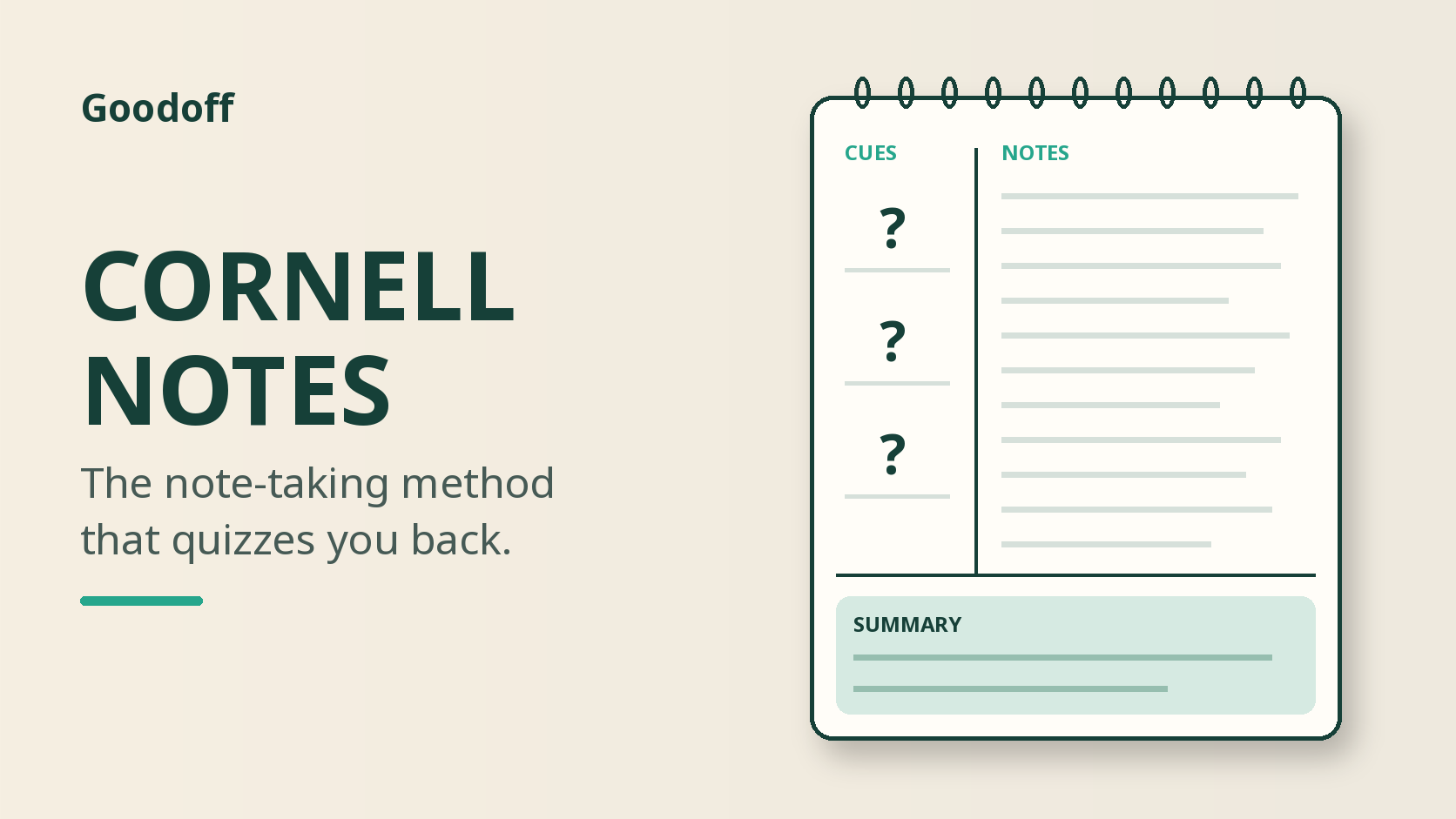
- Put the trigger on the front of a card and the response on the back. Test yourself by saying the response aloud before you flip it.
- Review for two minutes a day when you're calm. Not during a disagreement.
- Adjust after real life. If a phrase sounds fake when you say it, rewrite it until it sounds like you.
| Trigger (front) | Response (back) |
|---|---|
| I feel criticized and want to fire back | "That hurt to hear. Can you say it another way?" |
| My voice is getting louder | "I'm getting worked up. Can we pause for ten minutes?" |
| I want to say "you always" | "When this happens, I feel ___. What I need is ___." |
| I know I was wrong | "I see how that landed. I'm sorry. What would help?" |
These examples are starting points, not clinical advice. Your own wording will work better than anyone else's.
When Cards Aren't the Right Tool
Phrase cards can help two people who both want to repair a conflict. They aren't designed for relationships involving abuse, threats or fear. If you don't feel safe, contact the National Domestic Violence Hotline at 1-800-799-7233 (US) or visit thehotline.org. A licensed couples therapist can also help with patterns that keep coming back.
Where GoodOff Fits
This isn't a typical study topic, but the practice method is the same. In GoodOff, you can make decks and cards by hand on the free plan, then review them with FSRS scheduling, which brings cards back based on how well you recalled them.
GoodOff isn't a counseling tool, and it won't write your phrases for you. It just gives you a quiet place to rehearse the ones you chose. Keep sensitive details out of your cards if you share a device, and keep the focus on the phrases, not on the argument.
Frequently Asked Questions
Who wrote Talk to Me Like I'm Someone You Love?
It was written by Nancy Dreyfus, Psy.D., a psychotherapist and couples therapist. The book was first published in 2009, a revised edition came out in 2013, and the 64-card deck was published by TarcherPerigee in 2013.
How many cards are in the deck?
The flash card deck has 64 cards. The book it's based on includes more than 100 statements, and the revised edition added over 25 more.
Is there a free PDF of the cards?
You may find files online, but they're often incomplete or unauthorized copies. The cards are the author's work, so it's better to buy a legitimate copy or build your own practice phrases using the method above.
How do I actually use the cards in an argument?
Dreyfus's original practice was to hold up or read a statement to the other person. Agree with your partner ahead of time that you'll try this, so the card feels like a shared tool and not a surprise.
How do I remember the phrases when I'm upset?
Practice them when you're calm, link each one to a specific trigger, and say them aloud. Short daily reviews work better than a long session once a month.
Start With Five Phrases This Week
Write down five moments that tend to go wrong and one sentence for each. Review them for two minutes a day. If you'd like a place to keep and rehearse them, you can build a deck with GoodOff. A slightly longer pause is a win.