Master microlearning and mobile study tips to learn complex skills in just 15 minutes a day. Explore how modular content helps you beat the forgetting curve and earn stackable micro-credentials. The way we consume information has fundamentally shifted. With data showing our average digital attention span hovering under a single minute before a task switch occurs, the concept of sitting down for a standard, non-stop three-hour lecture feels outdated.
Trying to force a modern, hyper-connected brain to learn through old-school marathon study sessions creates unnecessary friction. Instead of fighting your environment, the trick is to lean directly into it.
By turning your smartphone from a tool of distraction into an engine for microlearning, you can build real, high-income expertise in structured 15-minute bursts. This shift matters more than ever: global data highlights that employers are actively prioritizing short, verified skills over general degrees, making bite-sized, mobile-first learning the most efficient path to career growth.
1. The Anatomy of a Perfect 15-Minute Micro-Block
Microlearning isn't simply cutting a long, exhausting textbook chapter into shorter pieces. If you just read a random paragraph for two minutes during your morning commute, you aren't actually learning; you are simply scanning text.
True microlearning requires self-contained cognitive modules. When your 15-minute timer sounds, you should walk away with one specific, actionable concept locked down.
How to map your 15 minutes for maximum retention:
Minutes 1–3 (The Brain Prime): Quickly recall what you covered in your previous short session without looking at your notes. This instantly activates your neural pathways.
Minutes 4–10 (The Core Acquisition): Focus on a single, isolated concept using a premium video clip, interactive diagram, or an AI-guided explanation chunk.
Minutes 11–15 (The Active Close): Put down the material and generate a single flashcard or summarize the takeaway in your own words.
By keeping the session under 15 minutes, you successfully bypass cognitive overload. Your brain processes the data cleanly within the natural limits of its working memory, avoiding the typical fatigue that leads to total burnout.
2. Eradicate "Re-entry Friction" on Your Phone
The absolute biggest killer of a mobile study habit is what product designers call re-entry friction. If you unlock your phone to study during a quick break, but it takes you five minutes just to open your apps, find your book chapter, or remember where you left off, you will inevitably close the app and open Instagram instead.
To build a flawless habit, your study materials must be accessible in a single tap.
Optimize your phone for seamless learning:
Widget Deep-Linking: Place dedicated widgets for your active learning platforms directly on your primary home screen.
The Single-Folder Lock: Move every single educational app into a standalone folder positioned right where your thumb naturally rests.
Nuclear Do-Not-Disturb: Configure an automation that automatically engages a strict focus mode whenever your primary study application is launched, blocking incoming notifications from hijacking your attention.
If accessing your current progress takes more than two quick taps, you are actively losing the battle against systemic digital distraction.
3. Leverage Mobile Audio for Spatial Encoding
You don't need to be glued to a glowing screen to make microlearning work. One of the most underutilized mobile study tactics is using your ambient daily routine like walking, cooking, or stretching for spatial encoding.
When you listen to a tightly scripted, 7-minute audio summary or an educational podcast while moving through a specific physical environment, your brain naturally anchors the auditory information to the spatial landscape around you.
Later, when you are trying to recall that specific fact during a test or a high-pressure meeting, your memory system can mentally retrace that physical walk to pull the data forward. It turns passive transit time into a low-stress, high-leverage cognitive asset.
4. Shift from Passive Scroller to Active Recaller
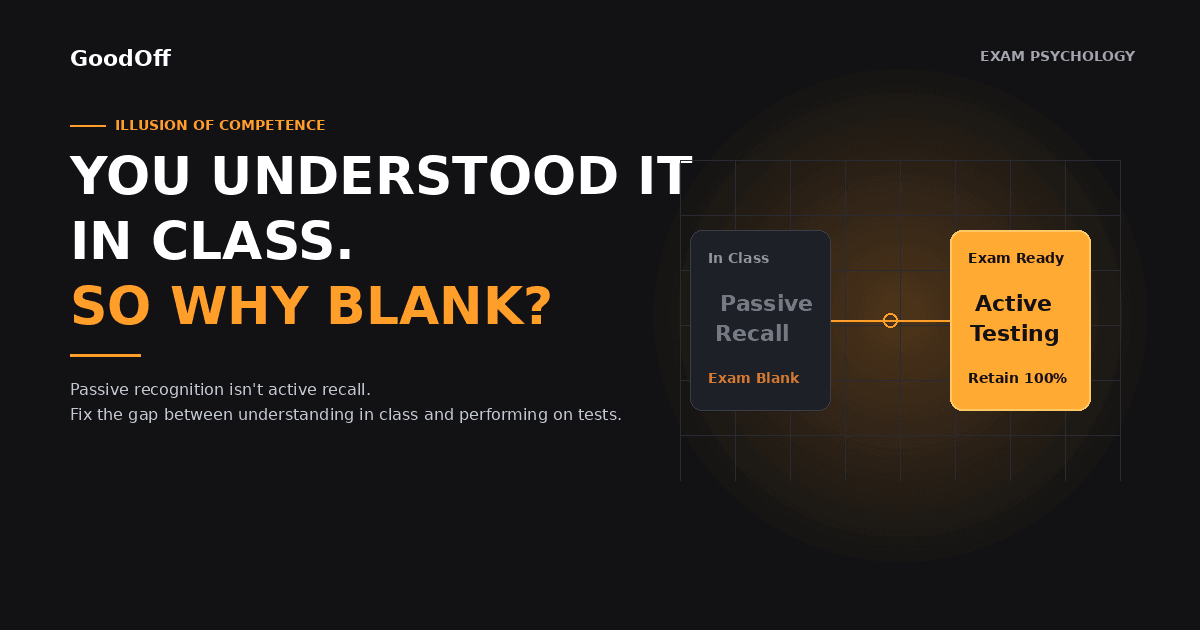
Most people treat mobile learning apps exactly like social media: they mindlessly scroll through beautifully designed summaries, nod along, and assume they have fully absorbed the material. This creates a dangerous illusion of competence.
Plaintext
[ Passive Consuming: Reading summaries ] ──> Zero real memory retention
[ Active Mobile Retrieval: Solving micro-quizzes ] ──> Long-term skill mastery
To make your 15-minute sessions stick, you must commit to mobile active retrieval.
If you are using book summary tools, pair them immediately with an app that tests you with rapid-fire, gamified micro-quizzes. If you are learning a new language or a complex coding framework, ensure every text block is immediately followed by an interactive challenge. The brain completely ignores information that it doesn't actively have to use, so make sure your phone forces you to produce answers, not just read them.
5. Build Stackable Micro-Credentials
In the modern economic landscape, learning for the sake of abstract knowledge is good, but learning for verified, job-relevant skills is unmatched. The ultimate goal of your microlearning routine should be building stackable micro-credentials.
Major digital education providers are partnering directly with industry leaders to offer short, hyper-focused certifications. These badges are highly valued: recent global employment data shows that a massive 94% of employers are open to offering higher starting salaries to candidates who possess targeted, industry-backed micro-credentials.
By dedicating just two 15-minute blocks a day to a structured certificate pathway, you can complete a comprehensive, industry-aligned training block in a matter of weeks directly upgrading your professional portfolio entirely from your mobile device.
The 15-Minute Mobile Microlearning Strategy
Step 1: Focus on One Element
Pick a single skill or concept per session. Do not try to learn an entire programming language at once; focus entirely on understanding a single loop structure.
Step 2: Streamline Your Access
Set up clear home screen widgets to eliminate digital friction and launch your learning platform in under two seconds.
Step 3: Mandate Retrieval
Never close your study application without answering a quick quiz question or writing down a brief, one-sentence active summary.
Step 4: Target High-Yield Outcomes
Direct your micro-sessions toward earning concrete, stackable micro-credentials that carry legitimate weight with modern tech and business employers.
The Ultimate Takeaway
Elite skill acquisition doesn't require isolating yourself in a quiet library for hours at a time. By mastering the art of mobile microlearning, you can seamlessly turn empty windows of downtime into a formidable competitive advantage. Stop waiting for the perfect, uninterrupted block of free time optimize your phone, claim your 15 minutes, and build a consistent routine that fits your lifestyle.