Discover how to leverage AI tools for effective studying in 2026. Learn actionable strategies to boost active recall, automate quizzing, and stay deeply focused without falling into the distraction trap.
The academic landscape in 2026 looks fundamentally different than it did just a few years ago. AI tools are no longer futuristic novelty items; they are deeply integrated into the everyday student workflow. However, this widespread accessibility introduces a massive paradox. While AI can synthesize a hundred-page textbook in seconds, it also increases the risk of passive learning and severe digital distraction.
When an algorithm does the heavy lifting, the human brain easily slips into autopilot. To study effectively today, you must treat AI not as a ghostwriter, but as an active sparring partner. The goal is to build an ecosystem where technology sharpens your focus instead of shattering it.
The AI Paradox: Why Fast Information Leads to Slow Learning
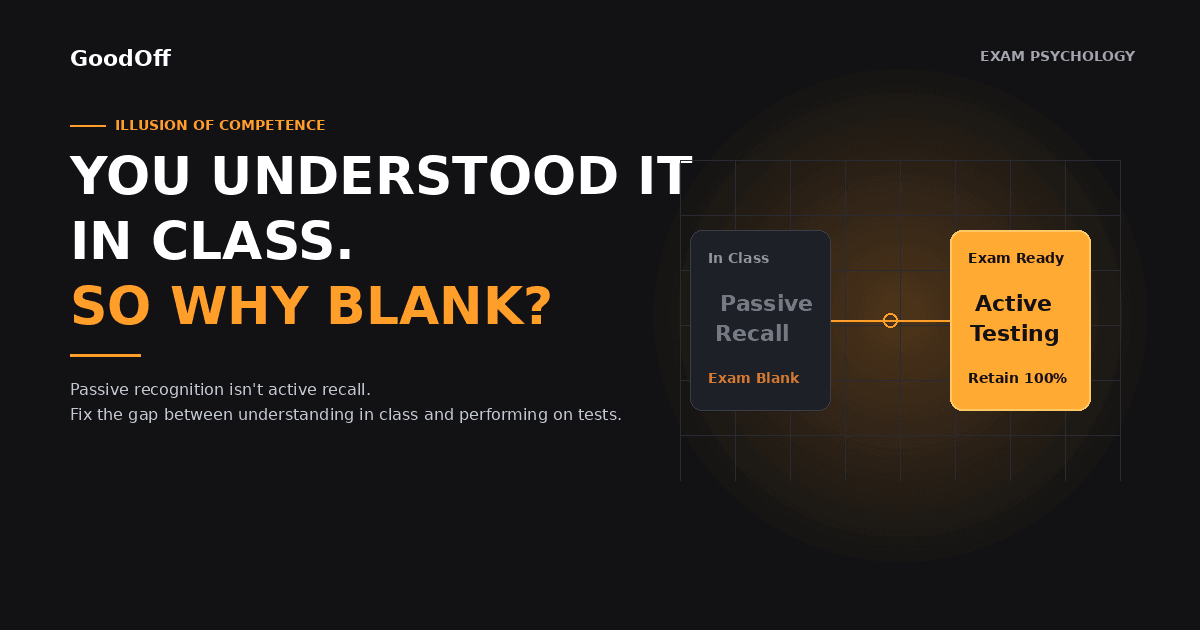
The greatest trap for students using AI is the illusion of competence. Reading an AI-generated summary feels like studying because the information is neat, structured, and instantly comprehensible. But because your brain did not sweat to organize that data, it will not retain it.
True learning requires cognitive friction. To bypass this illusion, shift your prompting strategy from consumption to extraction. Instead of asking an AI tool to "explain this topic to me," command it to "test my understanding of this topic through progressive questioning."
Transform AI into Your Active Learning Partner
Effective studying relies heavily on two scientifically proven pillars: active recall and spaced repetition. AI happens to be exceptionally good at accelerating both, provided you use the right frameworks.
Socratic Interrogation over Text Summarization
Instead of generating generic study guides, use AI to simulate a strict oral exam. Paste your raw lecture notes into the tool and use a prompt like this:
"Act as a demanding but supportive professor. Do not give me summaries. Instead, ask me one challenging question at a time about these notes to test my comprehension. Wait for my response, grade my answer out of ten, explain any gaps in my logic, and then ask the next question."
This forces your brain to retrieve information actively, strengthening neural pathways while keeping you highly engaged in the process.
Automated Flashcard and Quiz Engineering
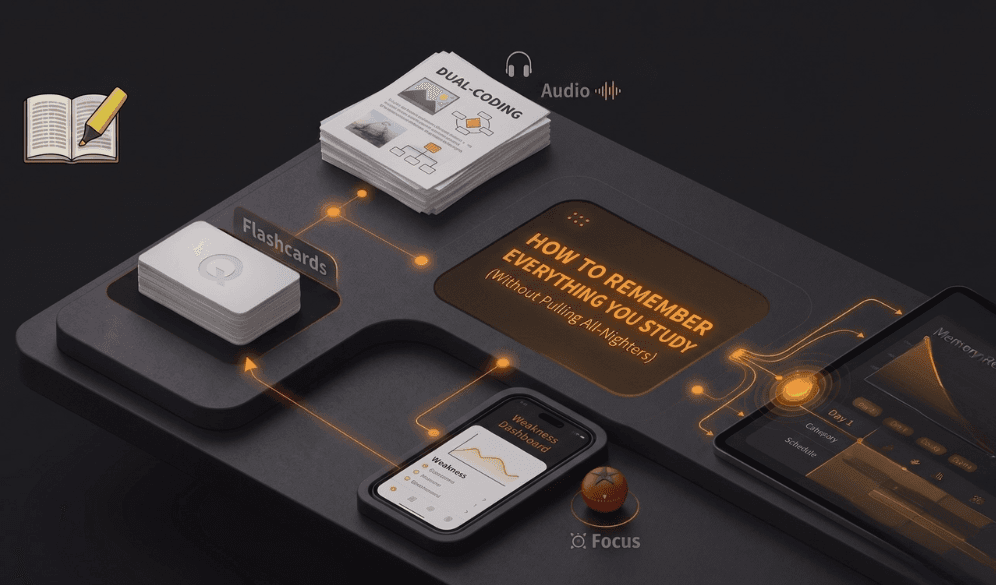
Manually creating flashcards can consume hours that should be spent actually studying. You can delegate the creation process to AI by instructing it to format data explicitly for your active learning routine. For instance, you can ask the tool to generate a structured table of high-yield questions based on your syllabus. If you want to take this a step further, you can integrate these outputs into a comprehensive system like the GoodOff learning and productivity platform, which combines structured decks, quizzes, and focus tools into a single, unified workflow.
Shielding Your Focus from the Digital Noise
An optimized study method means nothing if you open a new browser tab every three minutes. AI itself can be a major source of distraction if you get caught in endless, aimless prompt loops.
The Single-Tab Directive: When using an AI chat interface for research, close all social media and communication platforms. Treat the AI interface as a focused workspace, not a casual browsing session.
Time-Boxed AI Sprints: Separate your study time into distinct phases. Spend fifteen minutes using AI to map out concepts and generate practice materials, close the AI tool completely, and then spend the next forty minutes studying those materials offline or in a dedicated focus mode.
The Intercept Strategy: When you feel the urge to stray from your physics homework to search for something irrelevant, type that distracting thought directly into a physical notebook instead of a search engine. Acknowledge it, park it on paper, and return to your task.
Choosing the Right Academic Toolkit
Navigating the sea of educational platforms requires curation. You do not need twenty different tools; you need two or three that serve distinct purposes:
Concept Mapping: These tools break down massive, complex academic papers into core logical pillars, saving you initial reading time without replacing deep analysis.
Active Testing: This software generates custom, interactive mock exams based on your past syllabi to expose weak spots before the actual test day.
Workflow Systems: These platforms consolidate focus timers, progress tracking, and retrieval practice in one place, minimizing distracting context switching across different apps.
For deep academic research and looking up verified peer-reviewed studies, tools like the Google Scholar Search Engine remain absolutely essential to ensure your AI-generated insights align with verified, empirical data.
The Human Imperative in an Automated Era
AI can organize your calendar, draft practice questions, and clarify confusing sentences, but it cannot sit the exam for you. The final, critical stage of learning remains deeply human: it requires rest, focused attention, and genuine curiosity. By establishing strict boundaries around how and when you interact with digital tools, you transform AI from a source of constant distraction into a powerful engine for academic excellence.