Short-form, TikTok-style studying can work, but only when it makes you recall answers, not just watch. Quick flashcards, short quizzes, and brief video explainers are a good fit for spare minutes because they're easy to start. The learning comes from testing yourself and coming back to the material over several days. Scrolling through study content without answering anything feels productive but doesn't stick.
Why Short-Form Studying Appeals to Students
Long study sessions are hard to start. A pile of textbooks or a thick stack of index cards can feel like too much, so you open your phone instead. Short-form study formats lower that barrier. A five-minute set of flashcards or a two-minute video feels doable, and starting is often the hardest part.
That's the real advantage of the "study like you scroll" idea. It isn't that your brain needs entertainment to learn. It's that small, quick tasks are easier to begin and easier to fit into a day.
What Actually Makes It Work: Active Recall and Spaced Repetition
Active recall
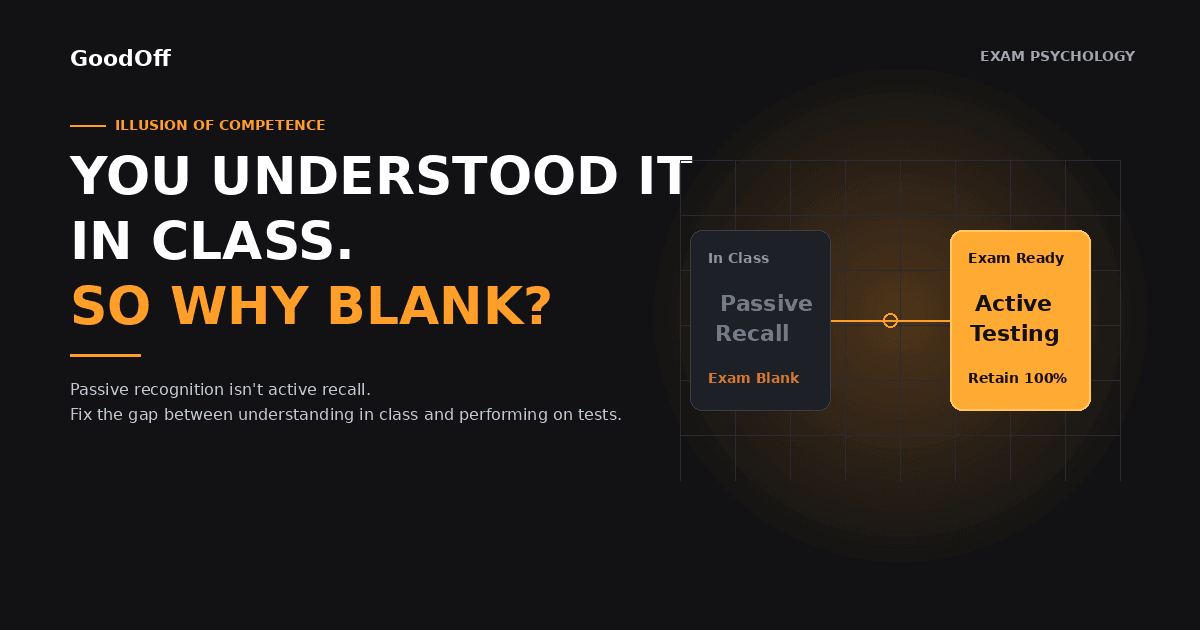
Active recall means pulling information out of memory instead of looking at it again. When a flashcard asks you a question and you answer before flipping it, you're practicing recall. Rereading makes material feel familiar. Recall makes it easier to remember on a test. Our guide to quizzing yourself while studying covers the research behind this.
Spaced repetition
Spaced repetition means reviewing material over growing intervals instead of all at once. Cards you know well come up less often, and cards you miss come back sooner. Short sessions spread across the week are a natural fit for this. You can learn more in our guide to spaced repetition.
Where TikTok-Style Studying Goes Wrong
Watching without answering. A video can explain a concept well, but if you never test yourself afterward, you'll forget most of it.
Constant switching. Jumping between topics every few seconds can leave you with a vague sense of everything and a clear memory of nothing.
Distractions on the same device. If your study app sits next to your social apps, one notification can end the session.
Only doing short sessions. Bite-sized review is great for memorizing. Hard problem sets and essays still need longer, focused blocks.
How to Make Short Study Sessions Count
Answer every card before you flip it. Say the answer out loud or in your head first.
Use spare minutes on purpose. A bus ride or a line at the coffee shop is enough for a short flashcard set. Our post on study sprints has more ideas.
Pair every video with a quiz. Watch the explanation, then answer a few questions on it right away.
Turn on focus mode. Silence notifications while you study, even if it's only for five minutes.
Come back tomorrow. One short session won't do much. Several short sessions over a week will.
How GoodOff Fits Short-Form Studying
GoodOff turns a PDF, notes, or lecture slides into flashcards and quizzes you can run through in a few minutes on your phone or the web. Flashcards are scheduled with FSRS, so each review session shows you the cards that are due. On the Pro plan, GoodOff can also make a short vertical video overview of your material, with quiz scenes inside the video so you check yourself as you watch. If you'd rather listen, the podcast feature offers a one-minute recap or a ten-minute deeper review.
Frequently Asked Questions
Does studying with short videos actually work?
Short videos can help you understand a concept, but they work best when you follow them with recall practice, like flashcards or a quick quiz. Watching alone tends to fade quickly.
Are digital flashcards better than paper flashcards?
Both can work. Digital flashcards make spaced repetition automatic, while paper cards can help you focus and process the material as you write. See our comparison of digital and paper flashcards.
How long should a flashcard session be?
Even five to ten minutes is useful if you do it most days. Consistency matters more than the length of any single session.
Can short study sessions replace long ones?
Not completely. Short sessions are great for memorizing and reviewing. Learning a new topic deeply or working through hard problems usually needs a longer, focused block.
Try a Five-Minute Session
Pick one topic from today's class and make ten flashcards. Answer each one before flipping it, then review them again tomorrow. To skip making the cards by hand, upload your notes to GoodOff and start a short review.